Synthetic Cannabinoids
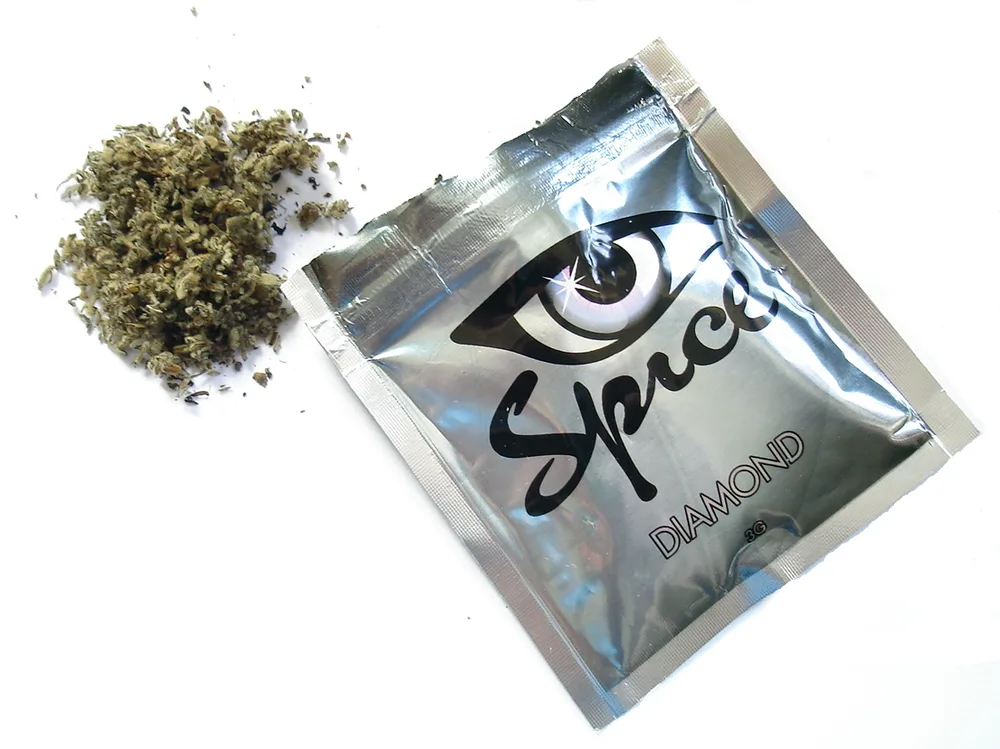
Full agonists at CB1, and that is the difference that matters: THC is a partial agonist with a ceiling on how far it can drive the receptor, and these compounds have none. It is why "spice" harms differ from cannabis — seizures, tachyarrhythmia, hyperthermia, agitated delirium and deaths are reported for this family and not for the plant — and it is compounded by how they are sold, sprayed onto plant material that cannot be mixed evenly, so one part of a bag is not the same as another.
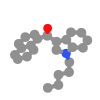
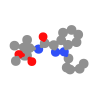
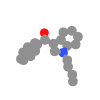
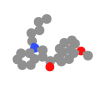
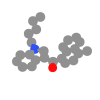
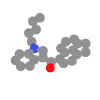
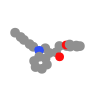
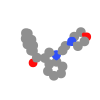
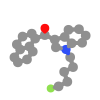
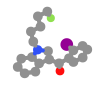
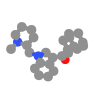
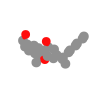
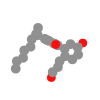
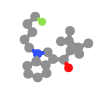
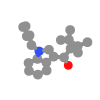
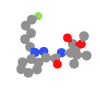
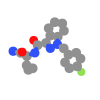
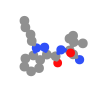
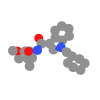
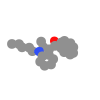
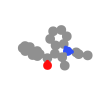
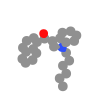
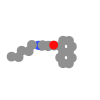
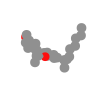
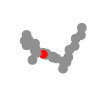
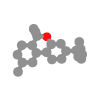
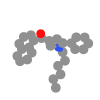
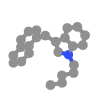
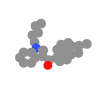
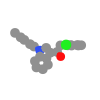
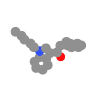
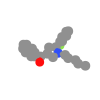
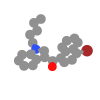
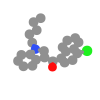
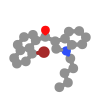
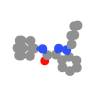
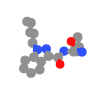
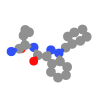
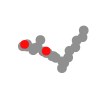
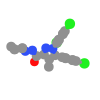
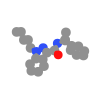
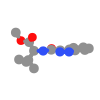
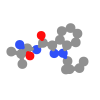
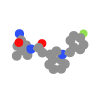
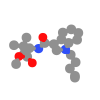
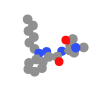
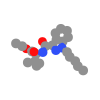
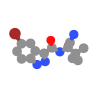
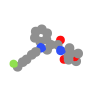
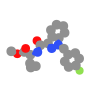
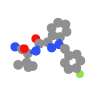
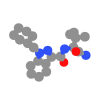
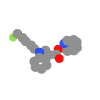
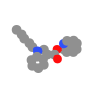
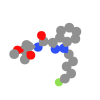
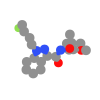
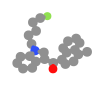
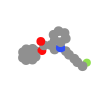
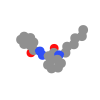
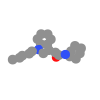
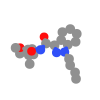
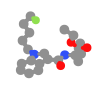
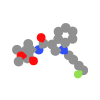
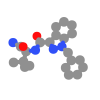
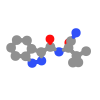
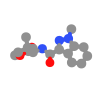
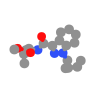
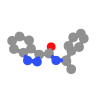
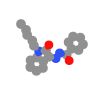
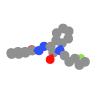
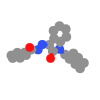
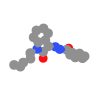
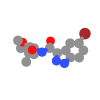
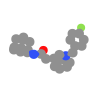
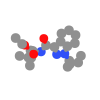
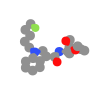
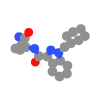
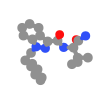
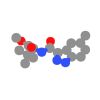
The generations turn over faster than any control list: the naphthoylindoles around JWH-018, the classical cyclohexylphenols, and now the indole and indazole carboxamides (5F-ADB, MDMB-4en-PINACA, ADB-BUTINACA). A product name says almost nothing about its contents. The two prescription outliers are filed here as well — nabilone, an approved medicine, and rimonabant, a CB1 inverse agonist withdrawn over psychiatric effects.


No posts here yet.