CH₃CH₃

Escaline

Chemistry

35 atoms · Conformer computed and published by PubChem.
Formula
C12H19NO3
Molar mass
225.28 g/mol
IUPAC name
2-(4-ethoxy-3,5-dimethoxyphenyl)ethanamine
InChIKey
RHOGRSKNWDNCDN-UHFFFAOYSA-N

Chemistry from PubChem CID 38240.

Also known as

  • 39201-82-6
  • 4-Ethoxy-3,5-dimethoxybenzeneethanamine
  • Q13F1C1N8I
  • ETHYLAMINE, 3,5-DIMETHOXY-4-ETHOXYPHENYL-
  • RefChem:1070585
  • 2-(4-ethoxy-3,5-dimethoxyphenyl)ethanamine
  • Benzeneethanamine, 4-ethoxy-3,5-dimethoxy-
  • 3,5-Dimethoxy-4 ethoxyphenylethylamine

Attribution

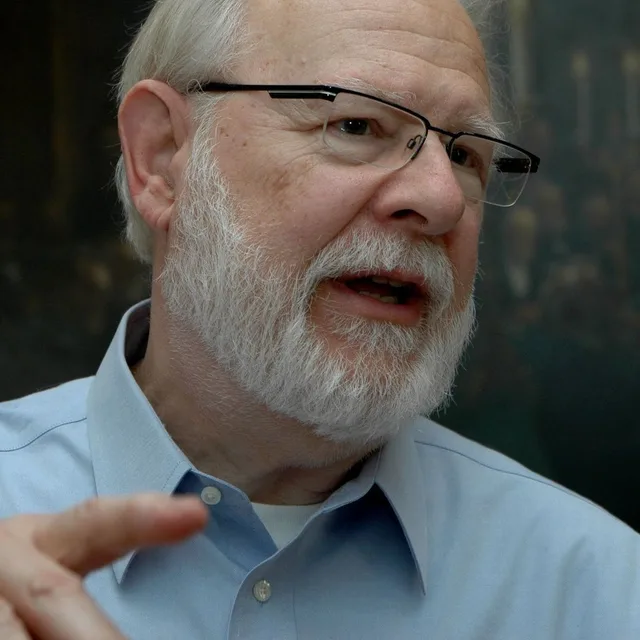
  • Portrait of David E. Nichols
    David E. Nichols — discovered its activity, 1977

    NOT a Nichols first synthesis — escaline was described by George S. Grace in 1934 and again by Benington and colleagues in 1954. Nichols and Dyer prepared the 4-alkoxy mescaline homologue series (escaline, proscaline, isoproscaline) and showed serotonin-agonist potency tracks lipophilicity. The Wikipedia biography's phrasing on this point is misleading.

    source

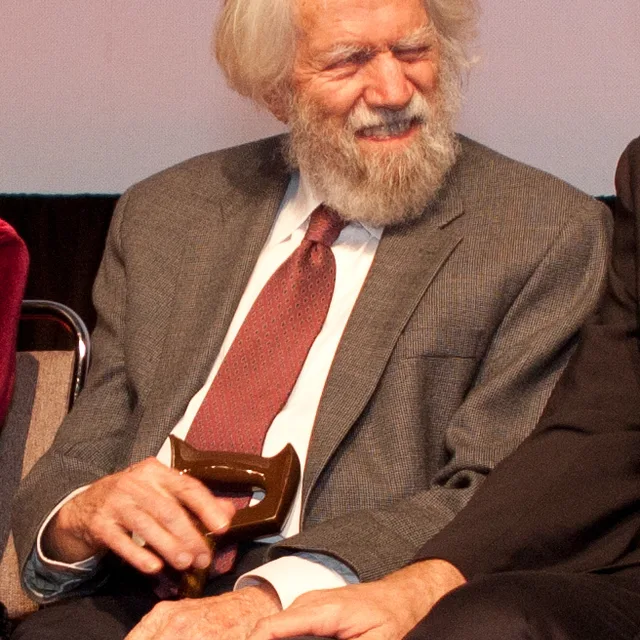
  • Portrait of Alexander "Sasha" Shulgin
    Alexander "Sasha" Shulgin — popularised it, 1991

    NOT his synthesis: first described by George S. Grace in 1934, later made by Benington (1954), Leminger (1972) and Nichols (1977). Shulgin's PiHKAL entry (#72) supplies the human dosage data the field relies on.
    source

No posts here yet.

Tell us something