CH₃CH₃

DOI

Chemistry

31 atoms · Conformer computed and published by PubChem.
Formula
C11H16INO2
Molar mass
321.15 g/mol
IUPAC name
1-(4-iodo-2,5-dimethoxyphenyl)propan-2-amine
InChIKey
BGMZUEKZENQUJY-UHFFFAOYSA-N

Chemistry from PubChem CID 1229.

Also known as

  • 64584-34-5
  • 4-DOI
  • 4-Iodo-2,5-dimethoxyphenylisopropylamine
  • 2,5-Dimethoxy-4-iodoamphetamine
  • DOI-P
  • 1-(2,5-Dimethoxy-4-iodophenyl)-2-aminopropane
  • 2,5-Dimethoxy-4-iodophenylisopropylamine
  • 1-(4-Iodo-2,5-dimethoxyphenyl)-2-aminopropane

Stereoisomers

2 distinct stereoisomers are registered for this structure. This area's record is the racemate — the mixture, which is normally the form encountered.

  • 2,5-Dimethoxy-4-iodoamphetamine this area mixture CID 1229
  • Benzeneethanamine, 4-iodo-2,5-dimethoxy-alpha-methyl-, (alphaS)- CID 6603801
  • Benzeneethanamine, 4-iodo-2,5-dimethoxy-alpha-methyl-, (alphaR)- CID 9840090

Attribution

  • Portrait of David E. Nichols
    David E. Nichols — discovered its activity, 1987

    DOI itself was first described by Ronald Coutts and Jerry Malicky in 1973, not by Nichols. Nichols's group, with Chester Mathis, characterised the radioiodinated enantiomers and introduced [125I]DOI as a 5-HT2 agonist radioligand — the reason DOI is a standard laboratory tool today. Included for that contribution only.

    source

  • Portrait of Alexander "Sasha" Shulgin
    Alexander "Sasha" Shulgin — discovered its activity, 1991

    NOT his synthesis: first described by Ronald Coutts and Jerry Malicky in 1973. Shulgin's PiHKAL entry (#67) is the source of the human dosage and activity data; year given is the PiHKAL publication.

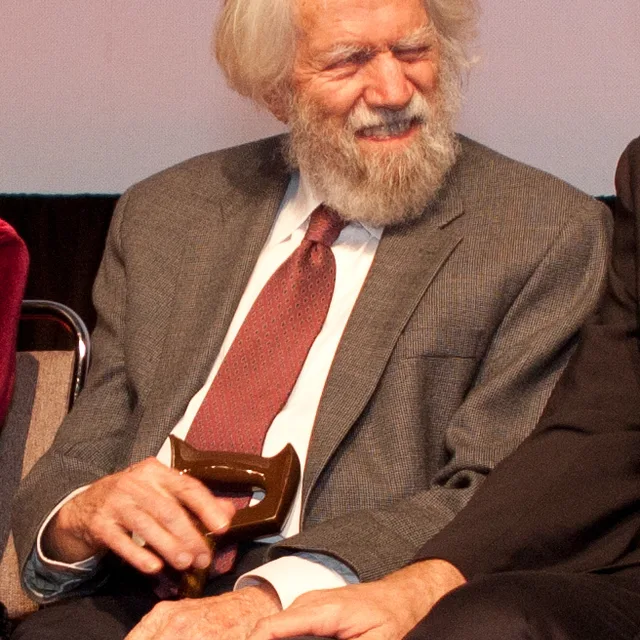
    source

No posts here yet.

Tell us something