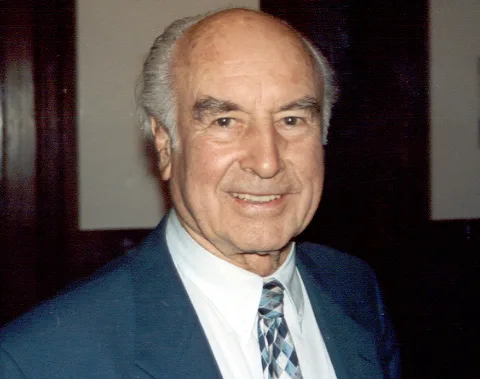
Isolated and named by Hofmann's Sandoz group from Psilocybe mexicana grown in culture by Roger Heim in Paris; the structure was then confirmed by total synthesis in the same year (Hofmann, Frey, Ott, Petrzilka & Troxler, Experientia 14, 397-399, 1958). He could equally be credited with the first synthesis; isolation is the primary act. Sandoz sold pure psilocybin to researchers as Indocybin.
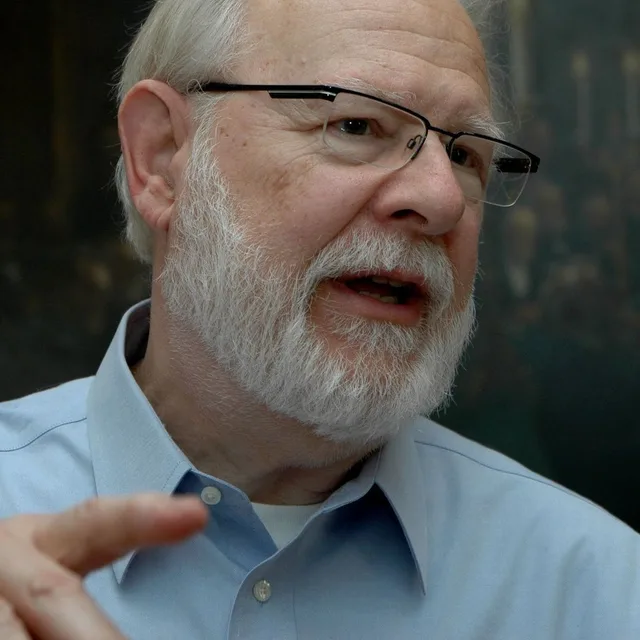
Not his discovery — Albert Hofmann isolated and synthesised psilocybin in 1958. Nichols and Stewart Frescas published an improved, higher-yielding phosphorylation route (Synthesis 1999, 935–938) that made GMP-grade psilocybin practical to produce, and his material supplied several of the early modern clinical trials. Role tag is the closest available fit for 'supply and scale-up', not a claim of discovery.
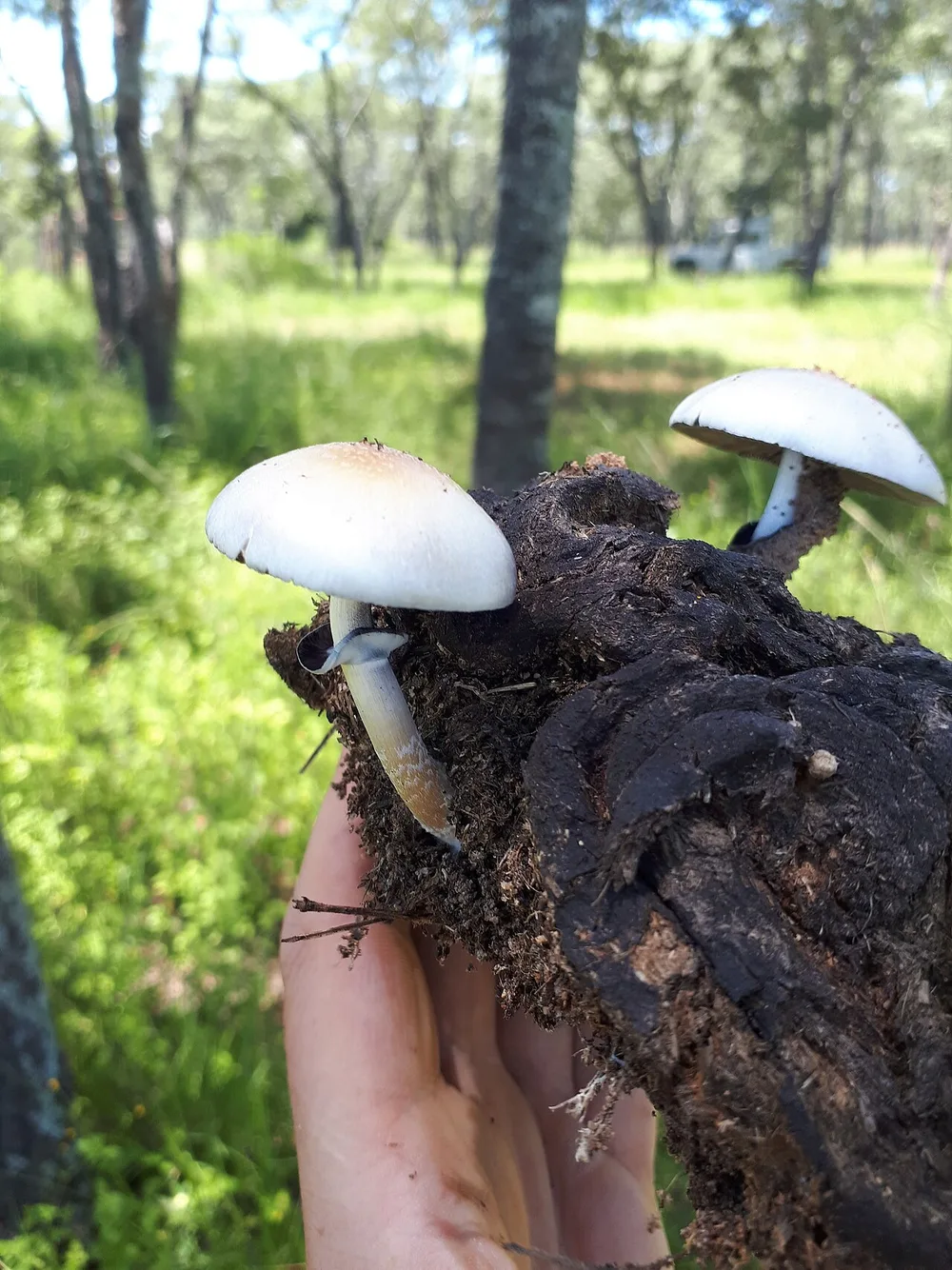
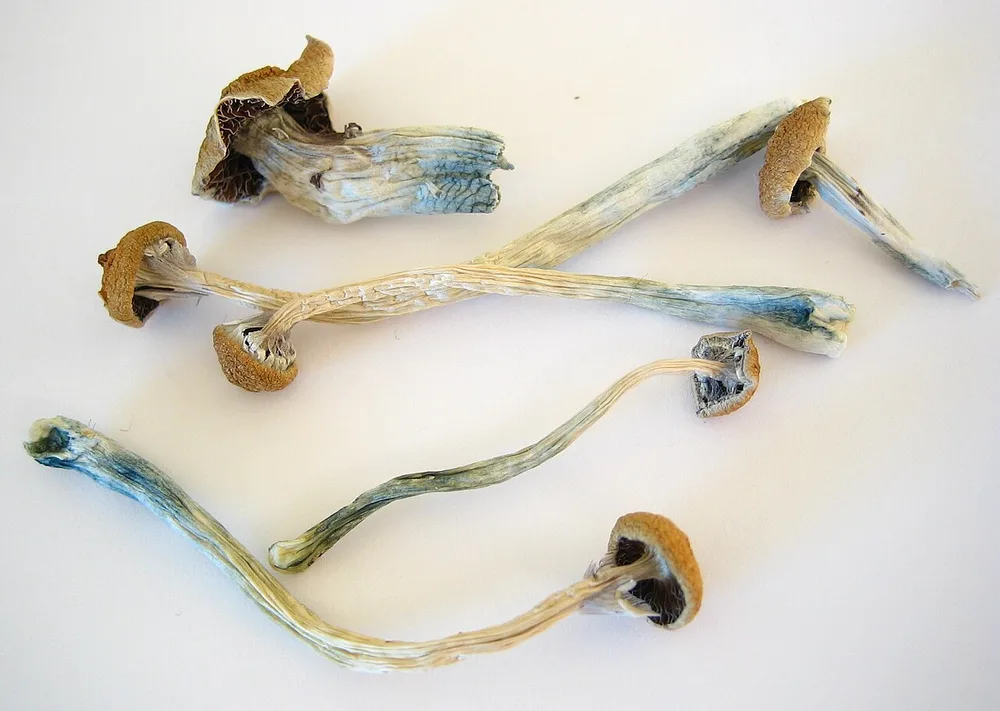
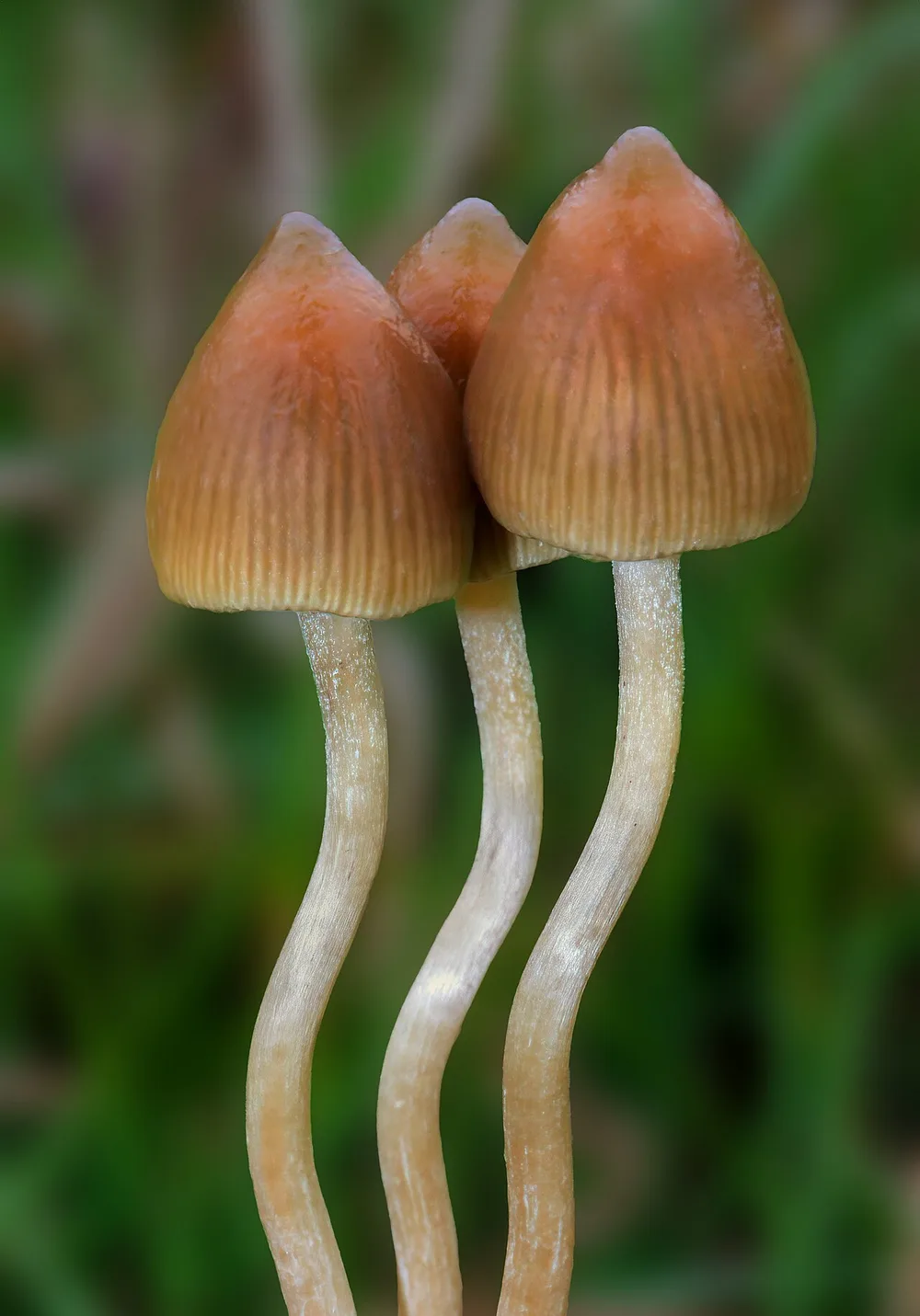
sampleFresh Psilocybe cubensis, the most commonly cultivated psilocybin mushroom, fruiting from cattle dung; note the pale cap with a darker center and the bluish tinge where the stem is bruised. Robert van der Horst ·CC BY-SAsampleDried Psilocybe cubensis as typically sold: shrunken tan caps and twisted whitish stems showing the blue-green bruising characteristic of psilocybin mushrooms. Erik Fenderson ·Public domainsamplePsilocybe semilanceata (liberty cap), a common wild psilocybin mushroom: small conical caps with a pointed tip on slender, wavy stems. Alan Rockefeller ·CC BY-SA