NOT his in any originating sense: isolated from peyote in the 1890s (Heffter) and first synthesized by Ernst Späth in 1919. It was Shulgin's reference compound and one of his 'magical half-dozen'; PiHKAL (#96) is a standard modern source on its human pharmacology.
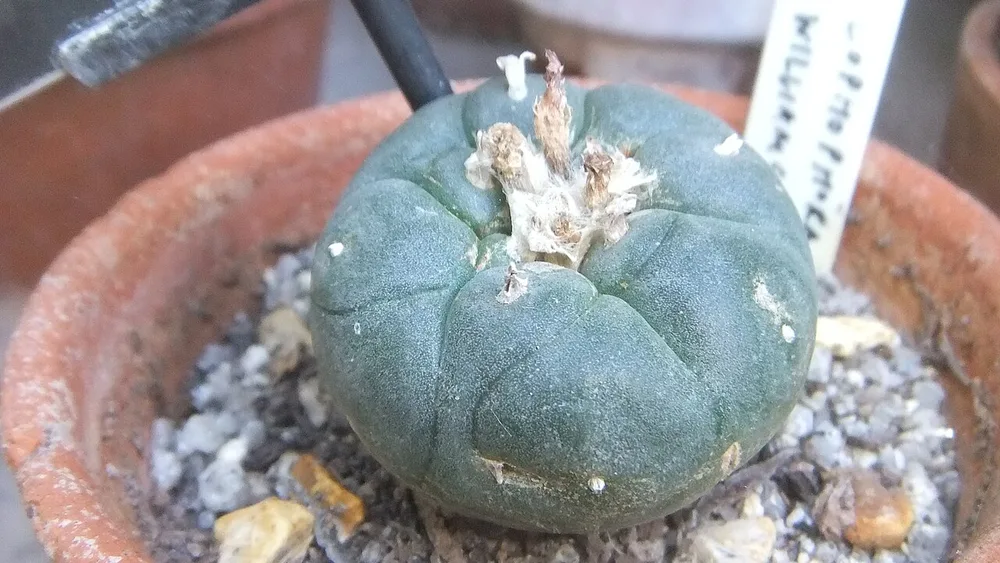
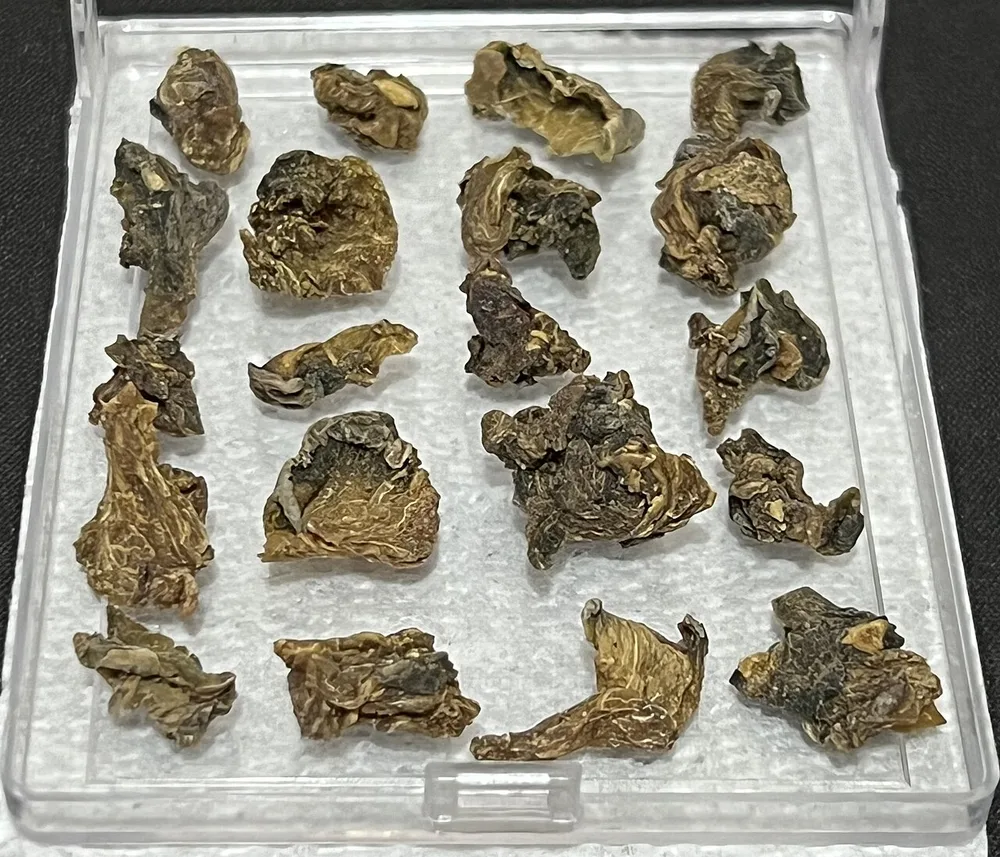
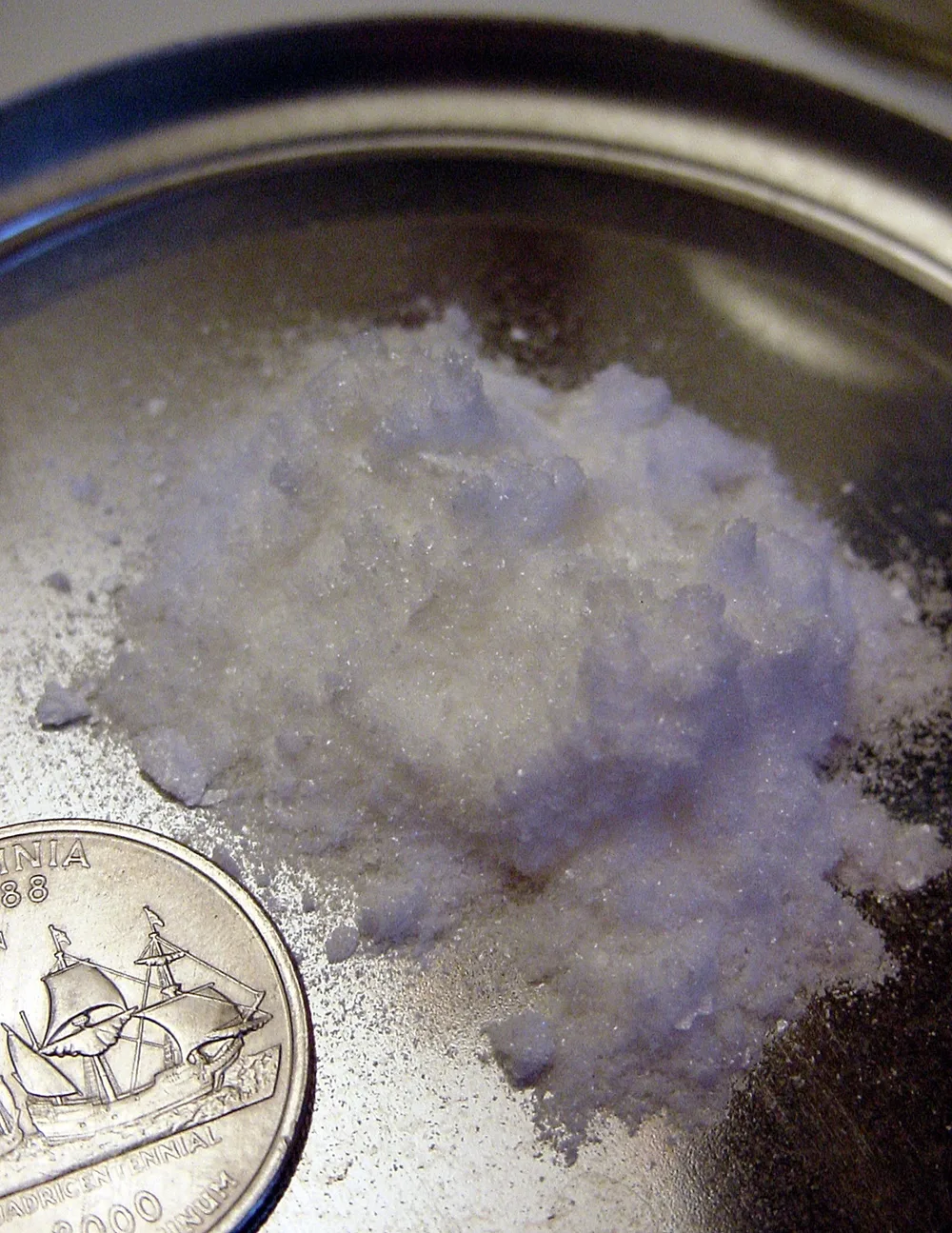
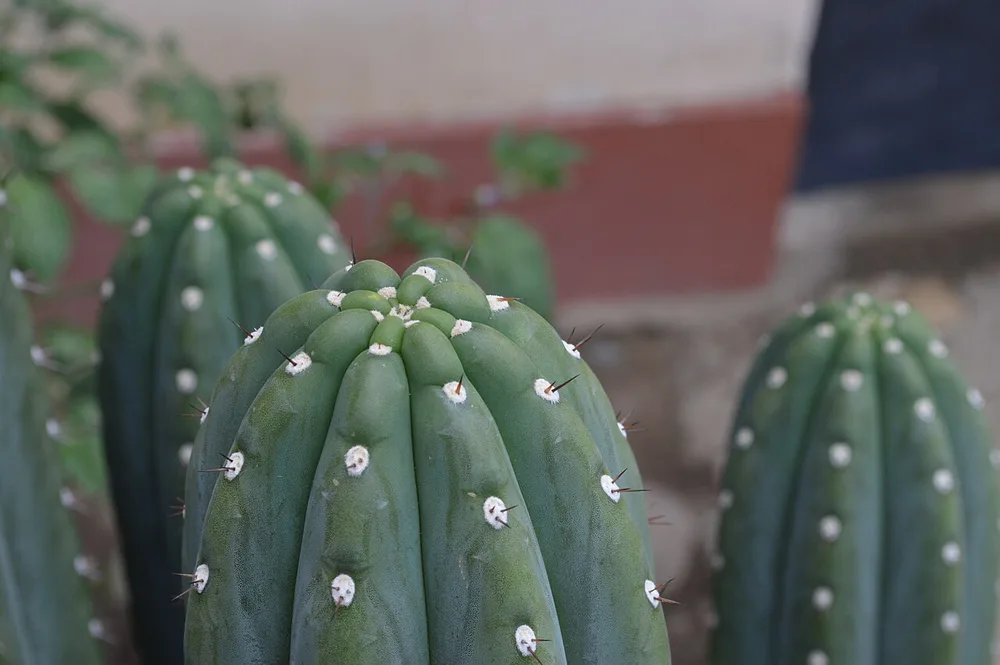
sampleA living peyote cactus (Lophophora williamsii): a spineless blue-green button with woolly tufts, grown in a pot at Chelsea Physic Garden. YubKooka ·CC BY-SAsampleDried peyote (Lophophora williamsii) buttons. Harvested crowns shrivel into brown discs, the usual form in which peyote is traded and consumed. WikiLinuz ·CC0sampleAbout one gram of synthetic mescaline as a white crystalline powder, photographed next to a US quarter for scale; identity was lab-verified. Erowid ·CC BYsampleSan Pedro cactus (Echinopsis pachanoi) in Huaraz, Peru: tall columnar stems with rounded ribs and short spines, a traditional mescaline-containing cactus. Cbrescia ·CC BY-SA