A PubChem record with the stereochemistry left undefined rather than a distinct substance.
Stereocentres at C5 and C8 give LSD four stereoisomers, and only one of them does anything: d-LSD, the (5R,8R) form, which is what "LSD" means. iso-LSD (5R,8S) is inactive but worth knowing about, because LSD interconverts with it and it turns up as a synthesis and degradation impurity. l-LSD and l-iso-LSD are laboratory curiosities.
Synthesised 16 November 1938 as the 25th compound in his lysergic acid amide series (hence LSD-25), intended as a circulatory/respiratory stimulant analogous to nikethamide. No psychoactivity was noticed in animal screening and it was shelved for five years. First described in print in Stoll & Hofmann, Helv. Chim. Acta 26, 944-965 (1943).
On 16 April 1943 he re-made LSD-25, absorbed a trace accidentally and recorded the effects; on 19 April 1943 he deliberately took 250 micrograms, which he expected to be a threshold dose. That deliberate dose, and the bicycle ride home, is the origin of 'Bicycle Day'.
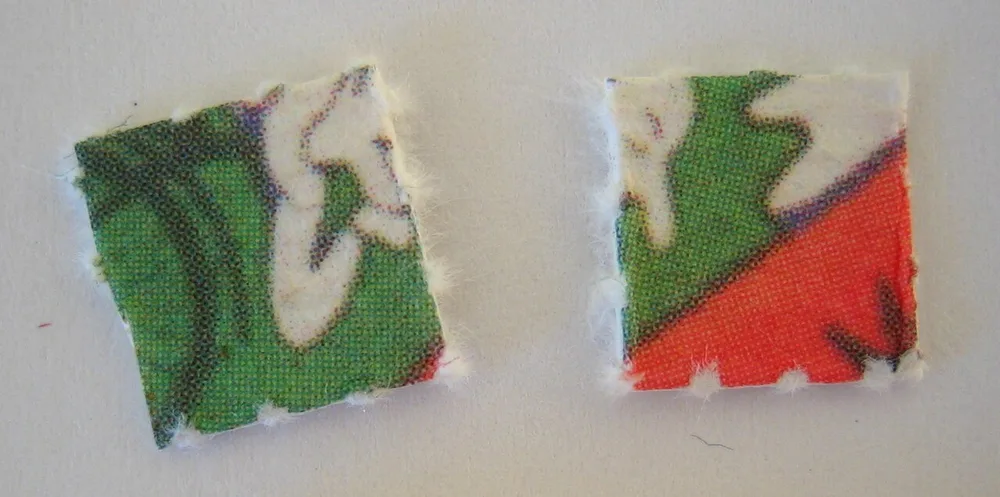
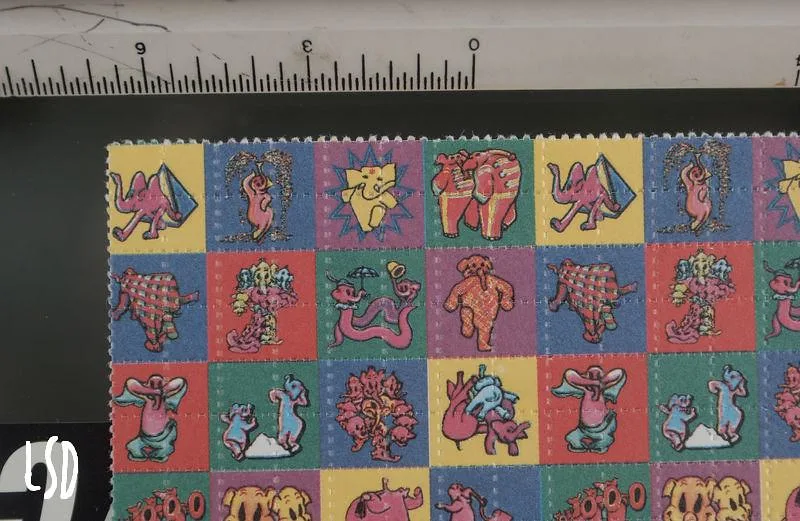
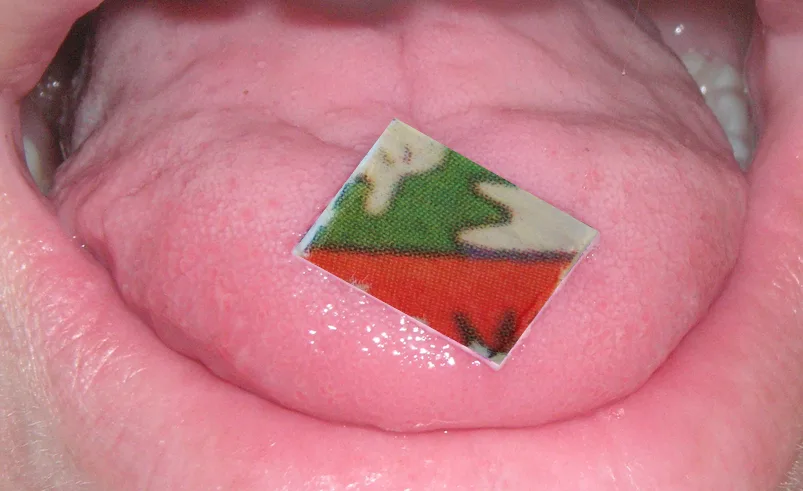
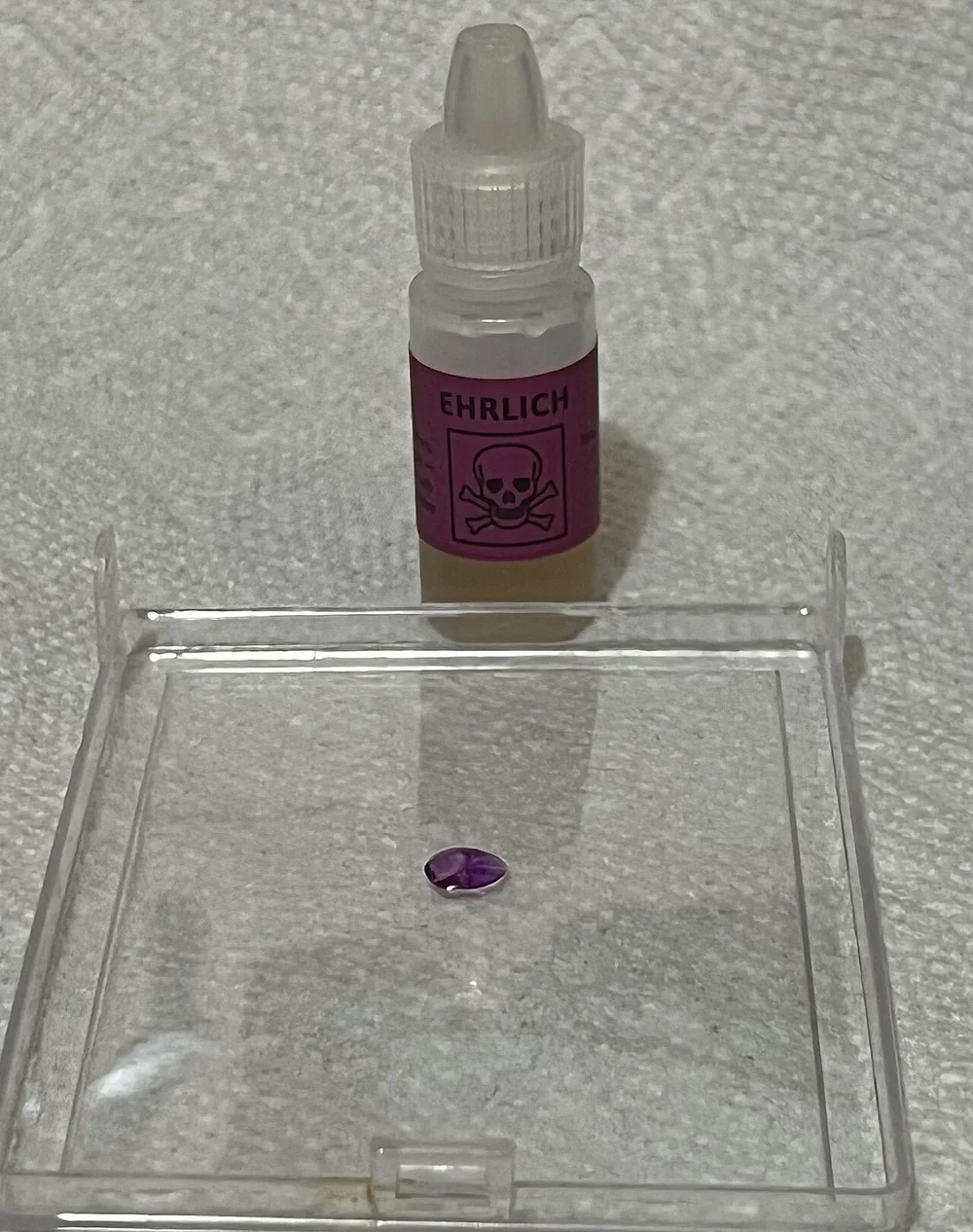
blotterTwo perforated paper blotter squares, the most common form in which LSD is sold; each printed square is a single dose. Erik Fenderson ·Public domainblotterA printed sheet of LSD blotter paper with a ruler for scale; perforations divide the sheet into single-dose tabs, and the artwork says nothing about dose or content. Drogadicta ·CC BY-SAblotterAn LSD blotter tab on the tongue, the usual route of administration; the paper is held in the mouth while the dose absorbs. Psychonaught Erik Fenderson ·Public domainreferenceEhrlich reagent used on an LSD blotter: the purple spot is the expected presumptive result for LSD and other indoles; paper that stays colorless suggests a mimic. WikiLinuz ·CC BY-SA