LSA (Ergine)
Chemistry
- Formula
- C16H17N3O
- Molar mass
- 267.33 g/mol
- IUPAC name
- (6aR,9R)-7-methyl-6,6a,8,9-tetrahydro-4H-indolo[4,3-fg]quinoline-9-carboxamide
- InChIKey
- GENAHGKEFJLNJB-QMTHXVAHSA-N
Chemistry from PubChem CID 442072.
Also known as
- LYSERGAMIDE
- 478-94-4
- Lysergic acid amide
- D-Lysergic acid amide
- CHEBI:4819
- 073830XH10
- 9,10-didehydro-6-methylergoline-8 beta-carboxamide
- (8R)-9,10-didehydro-6-methylergoline-8-carboxamide
Stereoisomers
3 distinct stereoisomers are registered for this structure.
- Lysergic acid amide this area CID 442072
- (6aS,9R)-7-methyl-6,6a,8,9-tetrahydro-4H-indolo[4,3-fg]quinoline-9-carboxamide CID 12309748
- Isolysergic acid amide CID 12309749
- 6-Methyl-9,10-didehydroergoline-8-carboxamide mixture CID 10173
Attribution
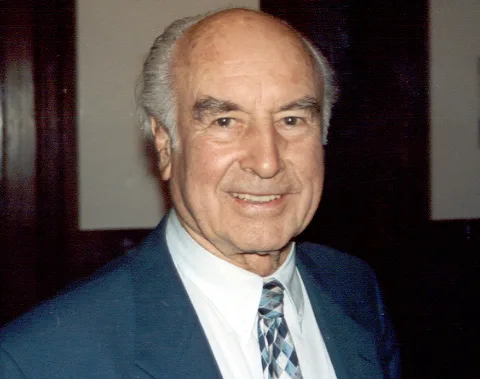
Hofmann and Hans Tscherter identified ergine (d-lysergic acid amide) and isoergine as the main alkaloids of ololiuqui, the seeds of the Mexican morning glory Turbina (Rivea) corymbosa, in 1960 - the first lysergic acid derivatives found outside fungi, which was initially disbelieved. Ergine itself was not new: Smith and Timmis obtained it from ergot in 1932. Note the site also carries a separate 'ergine' molecule page for the same compound.
General Open discussion — anything that fits nowhere narrower. 1 post · active 26d ago Legal Scheduling status, pending actions, and where the law actually stands. no posts yet Dosage Dose ranges by route, and the margins between them. no posts yet Experiences First-hand reports — set, setting, and what actually happened. no posts yet Chemistry Structure, synthesis, and analytical chemistry. no posts yet Interactions Combination risks — what must not be mixed, and why. no posts yet Nature Natural occurrence — organisms, alkaloid content, endogenous chemistry. no posts yet
No posts here yet.