Other Synthetic Opioids
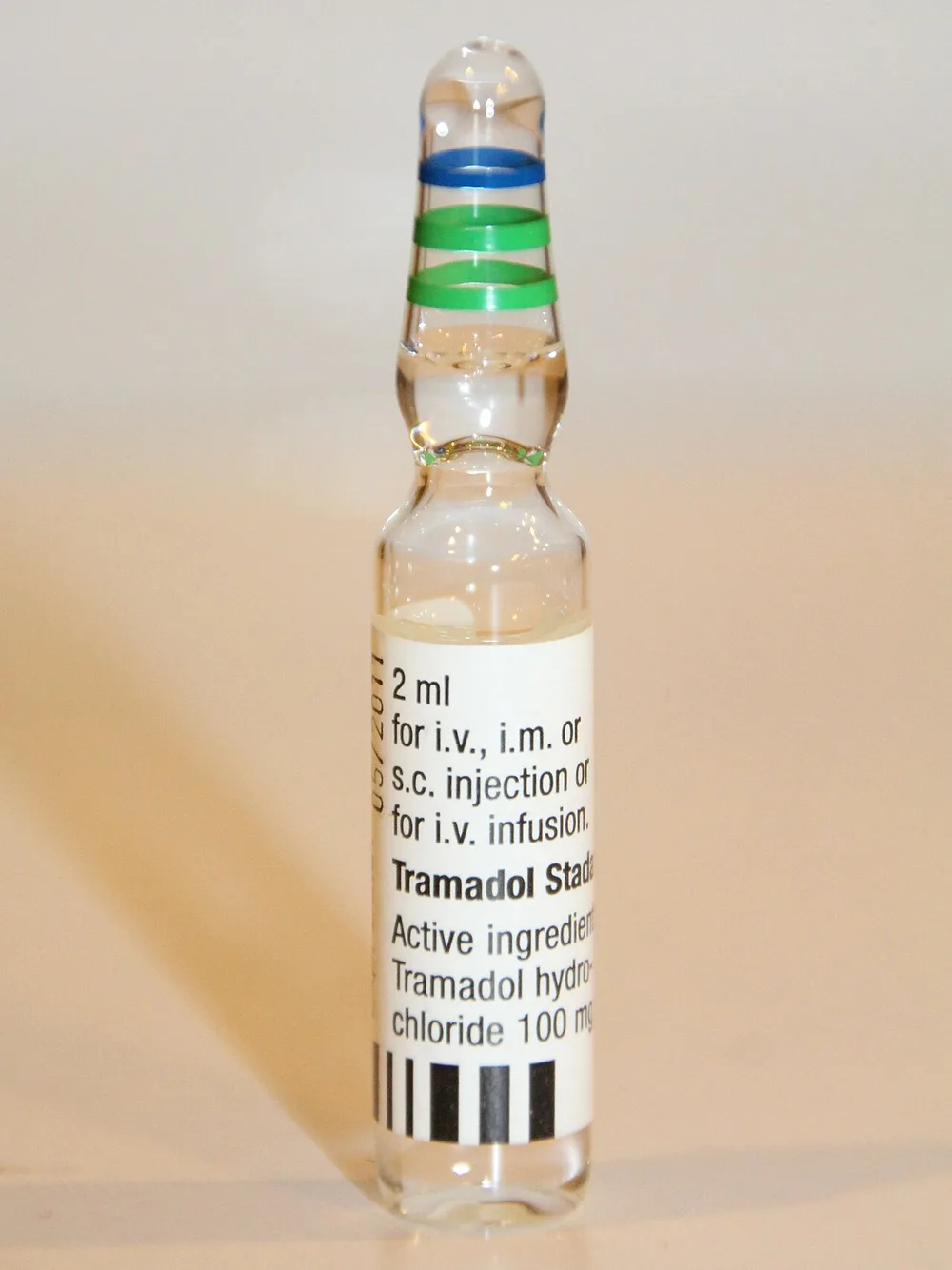
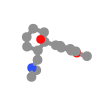
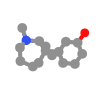
Every other family here is defined by a scaffold; this one holds the μ-active compounds whose scaffold matches none of them, plus the ones whose opioid action is only half of what they do. Tramadol and tapentadol are the dual-mechanism cases: both inhibit monoamine reuptake as well as acting at the μ receptor, so both carry serotonin syndrome risk alongside SSRIs, MAOIs and other serotonergic drugs, and tramadol lowers the seizure threshold. Tramadol's opioid effect also depends on CYP2D6 conversion, so it varies between people and with interacting medicines.
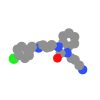
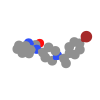
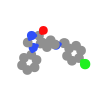
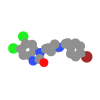
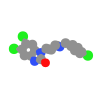
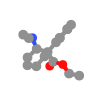
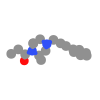
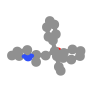
Naloxone addresses the opioid half and nothing else — not the seizures, not the serotonin. The remainder of the family is recent research-chemical material: brorphine, oliceridine, AP-238, the chlorphine and dichloro-brorphine compounds. For most of them the published record is a structure and a scheduling notice, so what an effective amount looks like is genuinely unknown.
No posts here yet.