Oripavines
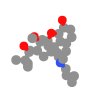
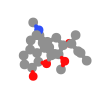
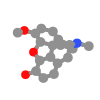
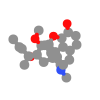
Made from thebaine, with an extra bridged ring closing the morphinan skeleton. The family spans the two extremes of the subject: etorphine and dihydroetorphine are full agonists potent enough to be used for immobilising large animals, and buprenorphine is the partial agonist used in opioid maintenance. Oripavine itself is the poppy alkaloid the family is named for.
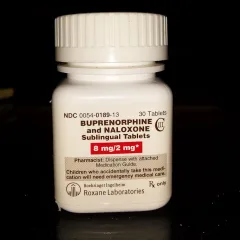
Buprenorphine's behaviour follows from binding tightly and coming off slowly. Being partial, its respiratory depression flattens as the amount rises — a ceiling, which is not an absence of risk, and people have died combining it with benzodiazepines or alcohol. Binding tightly, it displaces full agonists and precipitates withdrawal in someone who has not waited long enough, it blunts what is taken after it, and for the same reason reversing it can take repeated naloxone rather than a single standard dose.



No posts here yet.