CH₃CH₃

MMDA

Chemistry

30 atoms · Conformer computed and published by PubChem.
Formula
C11H15NO3
Molar mass
209.24 g/mol
IUPAC name
1-(7-methoxy-1,3-benzodioxol-5-yl)propan-2-amine
InChIKey
YQYUWUKDEVZFDB-UHFFFAOYSA-N

Chemistry from PubChem CID 26175.

Also known as

  • 5-Methoxy-3,4-methylenedioxyamphetamine
  • 13674-05-0
  • 3-Methoxy-alpha-methyl-4,5-methylenedioxyphenethylamine
  • 3-Methoxy-4,5-methylenedioxyphenylisopropylamine
  • RG7FY73ZAA
  • 3-Methoxy-4,5-methylenedioxyamphetamine
  • 3-METHOXY-METHYLENEDIOXYAMPHETAMINE
  • beta-Methoxy-alpha-methyl-4,5-(methylenedioxy)phenethyl amine

Stereoisomers

2 distinct stereoisomers are registered for this structure. This area's record is the racemate — the mixture, which is normally the form encountered.

  • 3-Methoxy-4,5-methylenedioxyamphetamine this area mixture CID 26175
  • (2R)-1-(7-methoxy-1,3-benzodioxol-5-yl)propan-2-amine CID 14009058
  • (2S)-1-(7-methoxy-1,3-benzodioxol-5-yl)propan-2-amine CID 38988231

Attribution

  • Gordon Alles — first synthesis, 1955

    Alles made MMDA in his own laboratory in the mid-1950s as one of four methylenedioxy amphetamines he prepared and screened, latterly under contract to US Army medical research; he showed it was markedly less toxic than MDA, MDMA and MDPEA and used cat EEG to rank hallucinogenic potency. Alexander Shulgin synthesised MMDA independently in 1962 and was the first to describe its effects in humans, publishing in Nature in March 1964. The year is approximate ('mid-1950s'); Alles's Edgewood code name for the compound is unknown.

    source

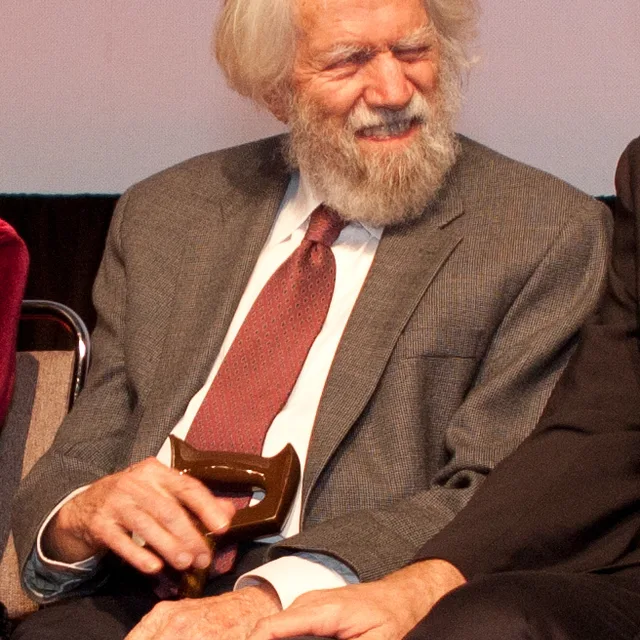
  • Portrait of Alexander "Sasha" Shulgin
    Alexander "Sasha" Shulgin — discovered its activity, 1962

    NOT his first synthesis: Gordon Alles made and studied it at Edgewood Arsenal in the mid-1950s. Shulgin synthesized it independently in 1962, discovered the psychoactivity the same year, and published in 1964. PiHKAL #132.
    source

No posts here yet.

Tell us something