NMDA Glycine-site Agents
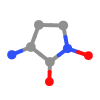
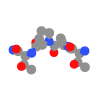
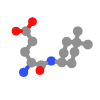
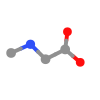
The NMDA glutamate receptor only opens when a second molecule, glycine or D-serine, is bound to a separate site on it. That co-agonist site is a way to turn NMDA signalling up or down more gently than ketamine-style channel blockers do, and drug developers have tried both directions. HA-966 is a 1960s compound whose two mirror-image forms do different things. Rapastinel is a small peptide that went through clinical trials for depression without being approved. Neboglamine was developed as a modulator of the site. Sarcosine is a natural amino acid that raises glycine levels by blocking its reuptake, and was tested as an add-on treatment in schizophrenia.
None of these is an approved medicine in the United States, and none is sold as one. What they share is a target, not an effect: a result for one does not transfer to the others, and the research versions sold online carry no assurance of identity or purity beyond the seller's.
No posts here yet.