Arylcyclohexylamines
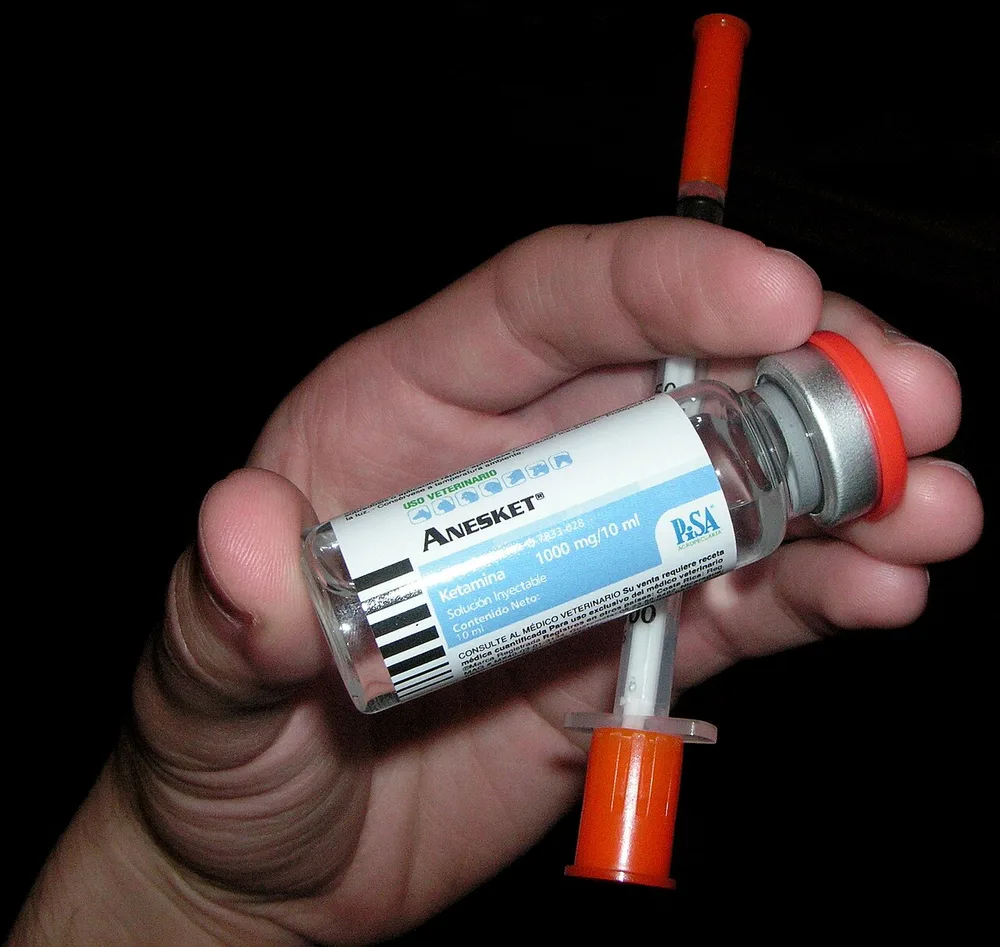
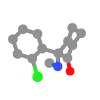
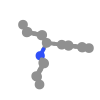
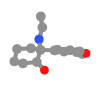
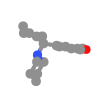
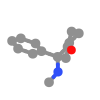
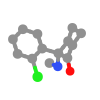
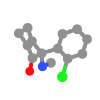
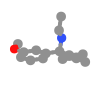
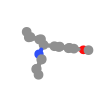
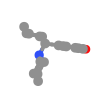
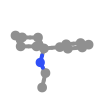
A cyclohexane ring carrying an amine and an aryl group on the same carbon. It is the best-characterised route to NMDA antagonism, because several members are licensed anaesthetics — ketamine, its enantiomers esketamine and arketamine, and the veterinary tiletamine — while everything else in the family is an analogue of a drug whose clinical behaviour is known and whose own is not.
What varies inside the family is large. Duration runs from short, in 2-FDCK and ketamine, to very long in MXE, deschloroketamine and 3-MeO-PCP. The PCP branch carries dopaminergic and stimulant character ketamine does not, with a dose-response steep enough that redosing in the dark is how people arrive in hospital, and some hydroxy and methoxy PCP analogues have opioid receptor affinity as well. Bladder and urinary tract damage follows heavy repeated use, and a ketamine dose does not transfer to an analogue.
No posts here yet.