α₂-Adrenergic Agonists
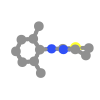
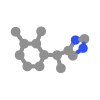
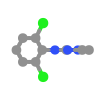
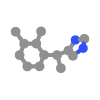
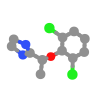
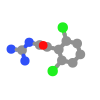
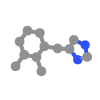
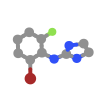
Agonists at presynaptic α₂-adrenergic autoreceptors: activating them cuts noradrenaline release, and the result is sedation, bradycardia and low blood pressure through a mechanism that has nothing to do with GABA. Neither naloxone nor flumazenil reverses them. The family runs from veterinary anaesthetics — xylazine, medetomidine, detomidine, romifidine — through human medicines such as clonidine, guanfacine and dexmedetomidine, to lofexidine, used for opioid withdrawal. It is filed under Depressants because sedation is the experience, even though the subject's own description says mostly GABAergic; the imidazoline and thiazine structures are what the family is built from.
Xylazine and medetomidine reached people as adulterants in the opioid supply rather than as drugs anyone sought, which is why the reversal fact matters: naloxone should still be given, because an opioid is usually present too, but someone who stays under afterwards has not necessarily had too little of it. Xylazine exposure is also associated with severe skin wounds, including at sites away from any injection.
No posts here yet.