Diarylethylamines
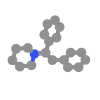
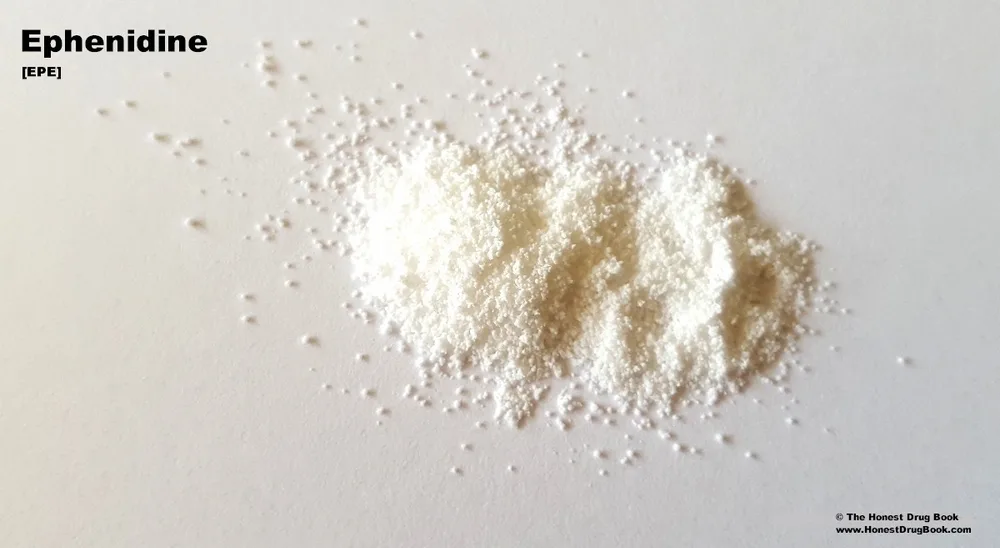
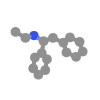
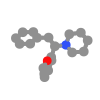
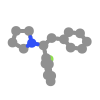
Diphenidine and its relatives replace the cyclohexyl ring of the ketamine scaffold with a second aryl ring, reaching the same NMDA site from a different structure; ephenidine, methoxphenidine and fluorolintane are the rest of the family. None has ever been an anaesthetic, and that is the distinguishing fact. Unlike the arylcyclohexylamines, nothing here has a clinical record, so there is no dose established in people and no licensed relative to compare an analogue against.
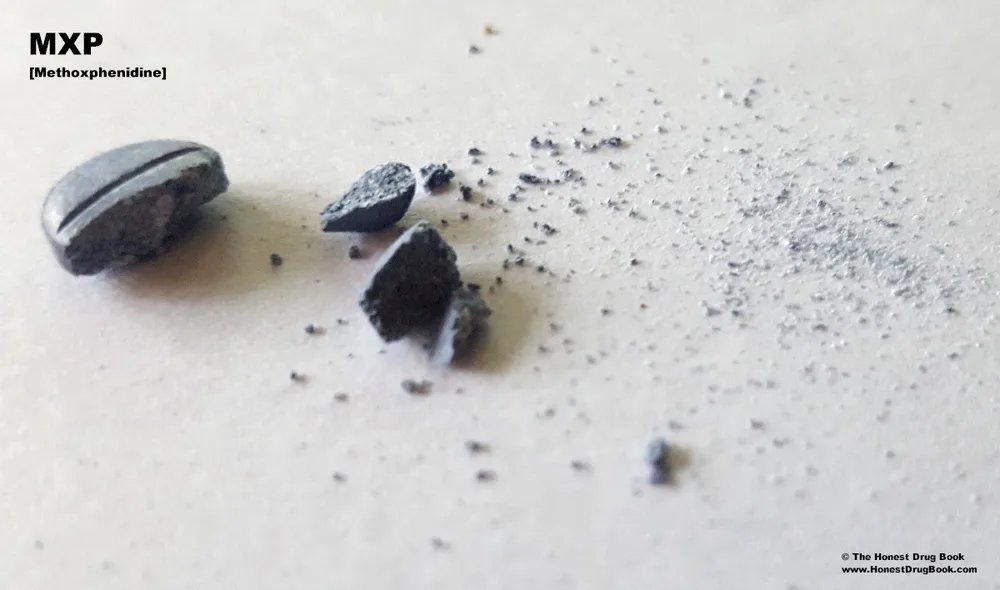
They are long-acting for the effect they produce, and hypertension, tachycardia and agitation are reported alongside the dissociation, methoxphenidine most of all. Compounds from this family have turned up in powders and tablets sold as something else, which is where dose control fails first.
No posts here yet.