Antihistamine Deliriants
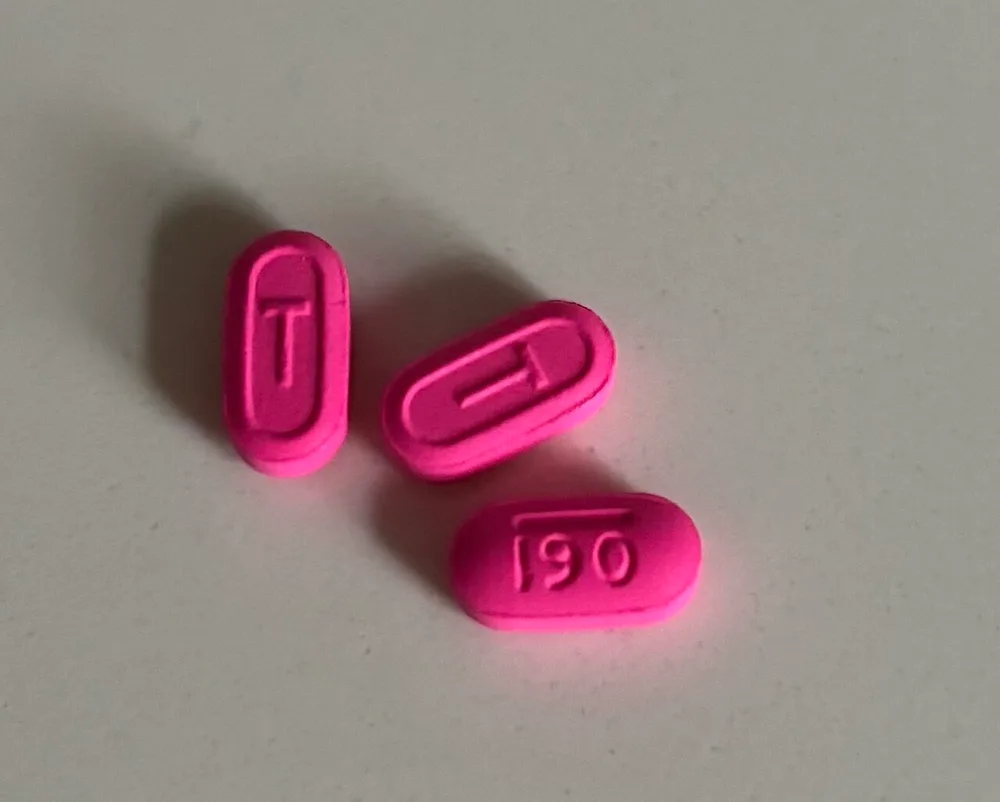
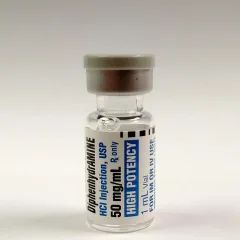
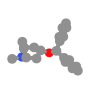
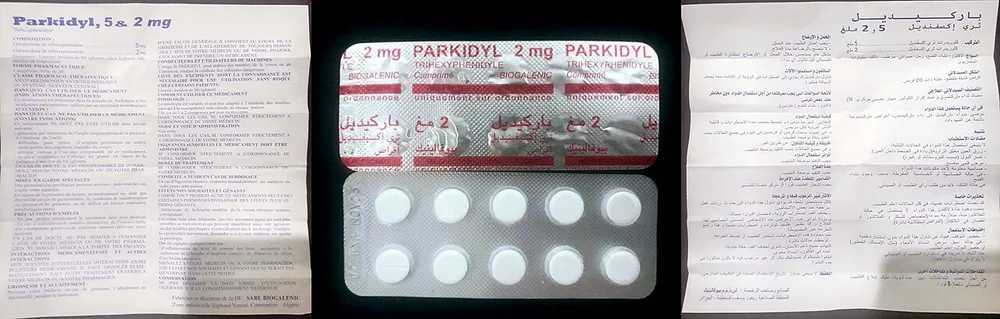
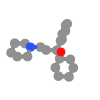
First-generation H1 antagonists taken far above their labelled dose, where the antimuscarinic activity they carry alongside the antihistamine effect takes over and produces the deliriant syndrome. Diphenhydramine is the one people reach for. Filed with it are benzatropine and trihexyphenidyl, centrally acting antimuscarinics prescribed against parkinsonism and drug-induced movement effects, which produce the same delirium while never being sold as antihistamines — grouping by what the receptor does is the point.
What injures people here is frequently not the delirium. Diphenhydramine blocks cardiac sodium channels as the dose climbs, so overdose brings a widened QRS, seizures and arrhythmia. Being sold over the counter, these also arrive in combination products where the paracetamol beside them poisons first, and their sedation and antimuscarinic load are additive with alcohol and with everything else in Deliriants.

No posts here yet.