Typical
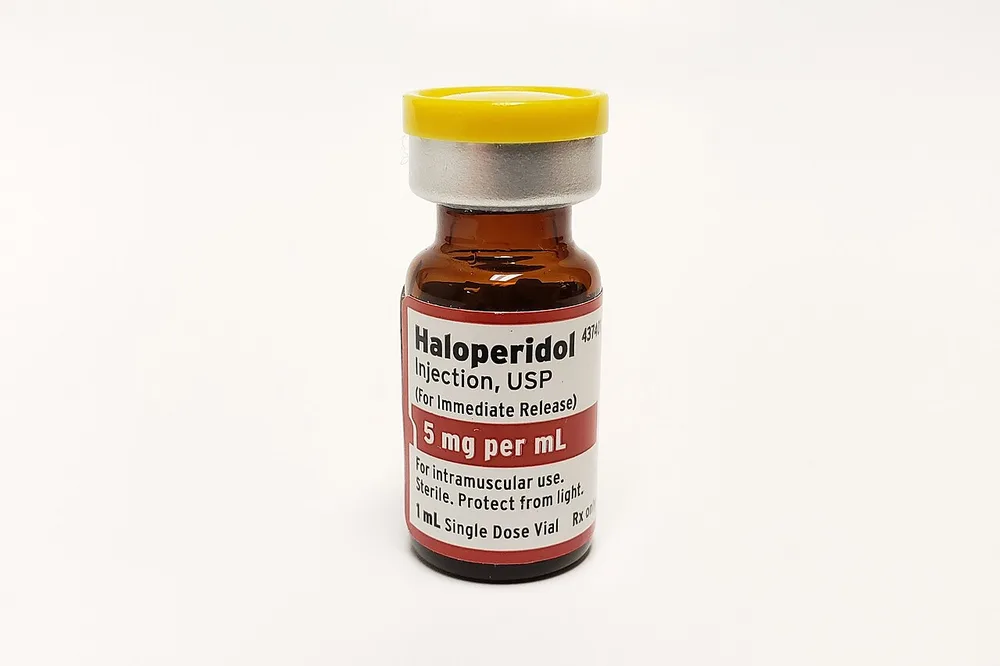
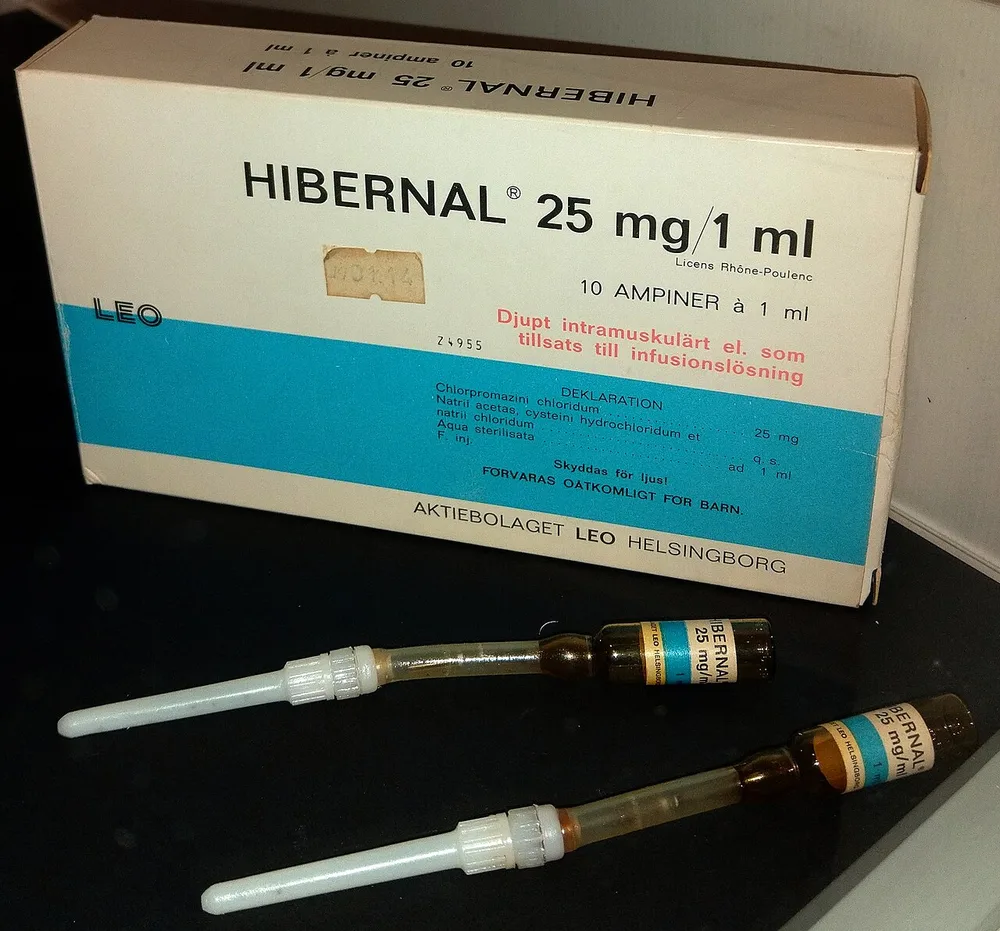
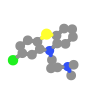
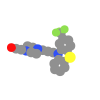
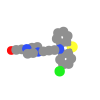
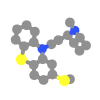
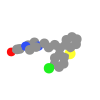
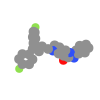
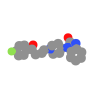
First-generation: high-affinity D2 antagonists with little of the 5-HT2A activity that defines the later group. They split by potency rather than by chemistry. The high-potency members — haloperidol, fluphenazine, pimozide, droperidol — produce more movement effects and less sedation; the low-potency ones, chlorpromazine and thioridazine, sedate more, block muscarinic and α₁ receptors as well, and drop blood pressure. Perphenazine and zuclopenthixol sit between the two.
Dopamine blockade this direct is why acute dystonia and akathisia are common in this family, with tardive dyskinesia the risk of long exposure and neuroleptic malignant syndrome the rare severe one. QT prolongation is prominent in several, thioridazine, droperidol and pimozide among them. Given for a stimulant crisis they carry the subject's whole problem: a lowered seizure threshold and impaired heat loss in somebody already too hot.
No posts here yet.