
Prohormone cycles: the liver, the lipids, the crash afterwards, and the border
This page is for people running prohormones, and for the people around them. It covers what the compounds discussed on r/prohormones are, what the medical literature has recorded about them, what bloodwork can and cannot catch, what happens to natural testosterone afterwards, and where the law stands in the United States and in Canada.
Nothing here is a dose. This site gives no dose guidance for any of these compounds. Where a study is described, the description is of what the study found.
What the sub runs, and the two kinds
In the twelve months to 17 October 2026, r/prohormones carried 1,399 posts. By our count, 163 of them name 1-Andro or 4-Andro, 77 name halodrol, and 84 name superdrol, methasterone or DMZ.[1] Much of the posting comes from sellers. One account wrote 264 of the 1,399 posts, and the official account of the brand Blackstone Labs wrote 72.[1]
The compounds fall into two kinds, and they carry different risks.
Precursors. 1-Andro (3β-hydroxy-5α-androst-1-en-17-one), 4-Andro (4-androsten-3β-ol-17-one) and epiandrosterone are isomers or close relatives of DHEA. The body converts them toward active androgens. The anti-doping laboratory at the German Sport University in Cologne gave the 1-Andro from a seized product to a volunteer in 2011 and found 1-testosterone among the urinary metabolites.[2] Its authors described this class as “new analogues of androgens that had never been available as approved drugs”.[2] The one controlled trial of 1-Andro, published in 2014, enrolled “seventeen resistance-trained men”.[3] Over four weeks the supplement group gained more lean mass and strength than placebo, and the authors still concluded that “cardiovascular health and liver function are particularly compromised” and that “we feel the harm associated with this particular PS outweighs any potential benefit”.[3]
Methylated designer orals. Methasterone (Superdrol), halodrol and DMZ carry a methyl group at carbon 17, which lets them survive the liver when swallowed. Their chemical names in US law say so: methasterone is listed as “Methasterone (2α,17α-dimethyl-5α-androstan-17β-ol-3-one”, and halodrol as “4-chloro-17α-methyl-androsta-1,4-diene-3,17β-diol”.[4] DMZ is two methasterone molecules joined together. New York State's public health laboratory described it in 2023 as “dimethazine, an azine-linked dimer of methasterone”.[5]
The names on the bottle are not the compounds. Store brands reuse the old designer names for precursor blends. In an October 2026 thread about a product sold as Halodrol, one member explained that it “is a mix of 1-andro, 4-andro, dhea and androsterone”, and that the brand has “products named halodrol, anavar, superdrol”.[6] Hi-Tech Pharmaceuticals' Superdrol page in January 2025 said it was “formulated with anabolic androgenic agents including legal pro hormone esters”.[7] Hi-Tech's history is covered in its Exposed dossier, and Blackstone Labs' in its own. Before any of the sections below applies, the first question is which compound is actually in the capsule.
The liver
The Endocrine Society's 2014 scientific statement on performance-enhancing drugs puts the line in one sentence: “virtually all AAS-associated hepatotoxic effects are associated with orally active 17α-alkylated AASs”.[8] That is the methylated kind.
Methasterone has its own case literature. Doctors in Phoenix reported jaundice and kidney disease in 2006 in a man who took Superdrol, a supplement that had been “advertised as innocuous with no hormonal activity”.[9] A 2008 case series described five previously healthy users who “developed jaundice 2 weeks after discontinuation”.[10] Its warning: “Liver failure can worsen after initial presentation, especially within 2 weeks”.[10] A Pittsburgh report in 2009 is titled “Severe cholestasis and renal failure associated with the use of the designer steroid Superdrol”.[11] When the DEA made methasterone a controlled substance in 2012, it cited “liver toxicity with renal failure reported in conjunction with methasterone abuse”.[12]
The largest series comes from the US Drug-Induced Liver Injury Network. In 2019 it described 44 men who “developed liver injury with a median latency of 73 days”, with “100% with jaundice and 84% with pruritus”.[13] “Seventy-one per cent were hospitalised, and none died or required liver transplantation.”[13] Where products could be tested, “the anabolic steroids that were most frequently encountered were methyldrostanolone”, another name for methasterone.[14]
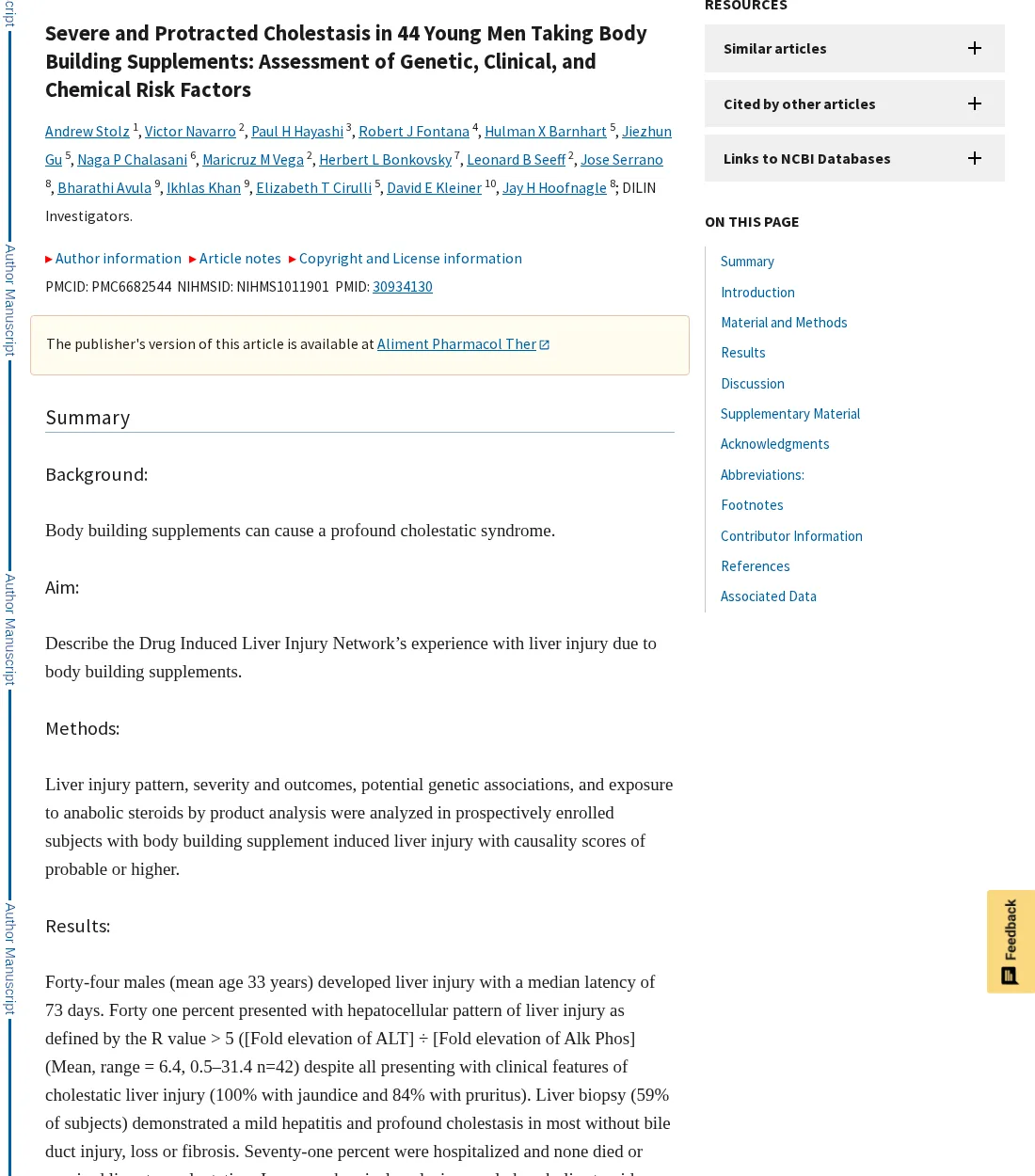
Figure 1. The US Drug-Induced Liver Injury Network's 2019 series of 44 men. Every one of them was jaundiced. [14]
We found no case report in PubMed that names halodrol. Its chemistry puts it in the same 17α-methylated class the Endocrine Society statement describes.[4][8]
Precursors are not free of liver effects either. In the 1-Andro trial, aspartate transaminase, one of the standard liver enzymes, rose in the supplement group, and the authors counted liver function among what was compromised.[3]
Lipids and blood pressure
The same Endocrine Society statement describes the lipid pattern of anabolic steroid use, with HDL down and LDL up, and adds that “this effect is particularly associated with orally administered 17α-alkylated AAS”.[8]
Precursors do it too. In the 1-Andro trial, HDL fell by 38.7 per cent and LDL rose by 32.8 per cent in four weeks.[3] Two older trials of androstenedione, a precursor the 2004 Act later made a controlled substance, found the same direction.[15] In a 1999 JAMA trial, “the serum high-density lipoprotein cholesterol concentration was reduced after 2 weeks” and stayed low.[16] The 2000 Andro Project found “unfavorable alterations in blood lipid and coronary heart disease risk profiles” in men aged 35 to 65.[17]
Members of the sub post the same thing from their own labs. One first-cycle member found that “my cholesterol came back crazy”, with an HDL of 31, while taking two store-brand products sold under the names Anavar and Dianabol.[18] The member who logged a 70-day run reported HDL down 33.9 per cent over the Halodrol-branded half of it.[6] These are single people's lab sheets, not studies, and they match what the trials found.
Military doctors in 2016 described a soldier whose prohormone use showed up first as abnormal lipids on a routine physical, and concluded that “dyslipidemia may be an important clinical indicator”.[19] His HDL and LDL were back at baseline eight weeks after he stopped.[19]
Blood pressure is less settled. A 2010 review in the American Journal of Cardiology, in which “a total of 49 studies describing 1,467 athletes were reviewed”, found that, although the data conflict, “AAS have also been linked with elevated systolic and diastolic blood pressure”.[20] No study we found measured blood pressure in people taking these specific compounds.
Bloodwork: before, during, after
The clinical literature does not give prohormone users a testing schedule. It gives reasons to test at three points.
Before. A baseline is what makes every later number readable. The member in the PCT thread who posted a baseline, an on-cycle value and two after-cycle values could see recovery, and wrote that this “was the only time” they had tested.[21] For men seeing a doctor about low testosterone after steroid use, the 2014 review of the condition says “complete endocrine and metabolic assessment should be conducted”.[22]
During. The studies above point at what moves: liver enzymes and bilirubin, and the lipid panel.[3][13] The Endocrine Society statement lists the signs a doctor looks for in a steroid user as raised haemoglobin and haematocrit, suppressed LH, FSH and testosterone, and low HDL.[8]
After. This is the one most people skip, and the liver literature says it matters. In the 2008 methasterone series, jaundice appeared two weeks after the men had stopped.[10] In the military case, “Bilirubin normalized by 8 weeks after stopping the supplement”.[19] A normal panel taken on the last day of a cycle does not clear the weeks that follow.
Suppression and PCT
Any compound that works as an androgen tells the brain to stop signalling the testes. The Andro Project measured it with a precursor: “luteinizing hormone was attenuated 18% to 33% during the treatment period”.[17] A 2015 review in Andrology argued that “anabolic steroid use may be the most common cause of hypogonadism in men of reproductive age”, and that designer steroids sold as supplements are undercounted in that figure.[23]
After a cycle ends, “many will display profound hypogonadism for weeks or months after discontinuing use”, according to the Endocrine Society statement, with “the associated symptoms of fatigue, loss of libido, and depression”.[8] The statement notes that users take clomiphene or hCG at the end of a cycle, and that case reports describe both success and failure. Its authors wrote that “we are not aware of any systematic treatment studies” of the condition.[8]
The drugs a doctor would use are named in the 2014 review: “judicious use of testosterone replacement therapy, hCG, and selective estrogen receptor modulators”.[22] Clomiphene is the best known of those modulators, and its US label shows what using it for this means. It is “indicated for the treatment of ovulatory dysfunction in women desiring pregnancy”, so its use in men is off-label.[24] The label warns of blurred vision, spots and flashes, and says “the visual disturbances may be irreversible”.[24] Anyone on clomiphene who notices a change in vision should stop and see an eye doctor, as the label instructs.
What arimistane is, and what it is not
Arimistane is androsta-3,5-diene-7,17-dione. It is sold in the sub as PCT. One member asked in July 2026 whether it affects cholesterol: “has anybody had blood work done after a PCT with Armistane or as a standalone”.[25] Another replied that after taking it before a blood draw his lipids were poor and his “estrogen was very low”.[25]
What the FDA says it is. In a May 2018 warning letter to the seller of a product called Arimistane, the FDA wrote that the ingredient “is an aromatase inhibitor and does not constitute a dietary ingredient”.[26] The agency called the product an unapproved new drug, and a prescription drug because “it is not safe for use except under the supervision of a practitioner licensed by law”.[26] For approved drugs of the same class, the letter listed adverse events including “decreased sperm production, infertility, aggressive behavior, adrenal insufficiency, kidney failure, and liver dysfunction”.[26]
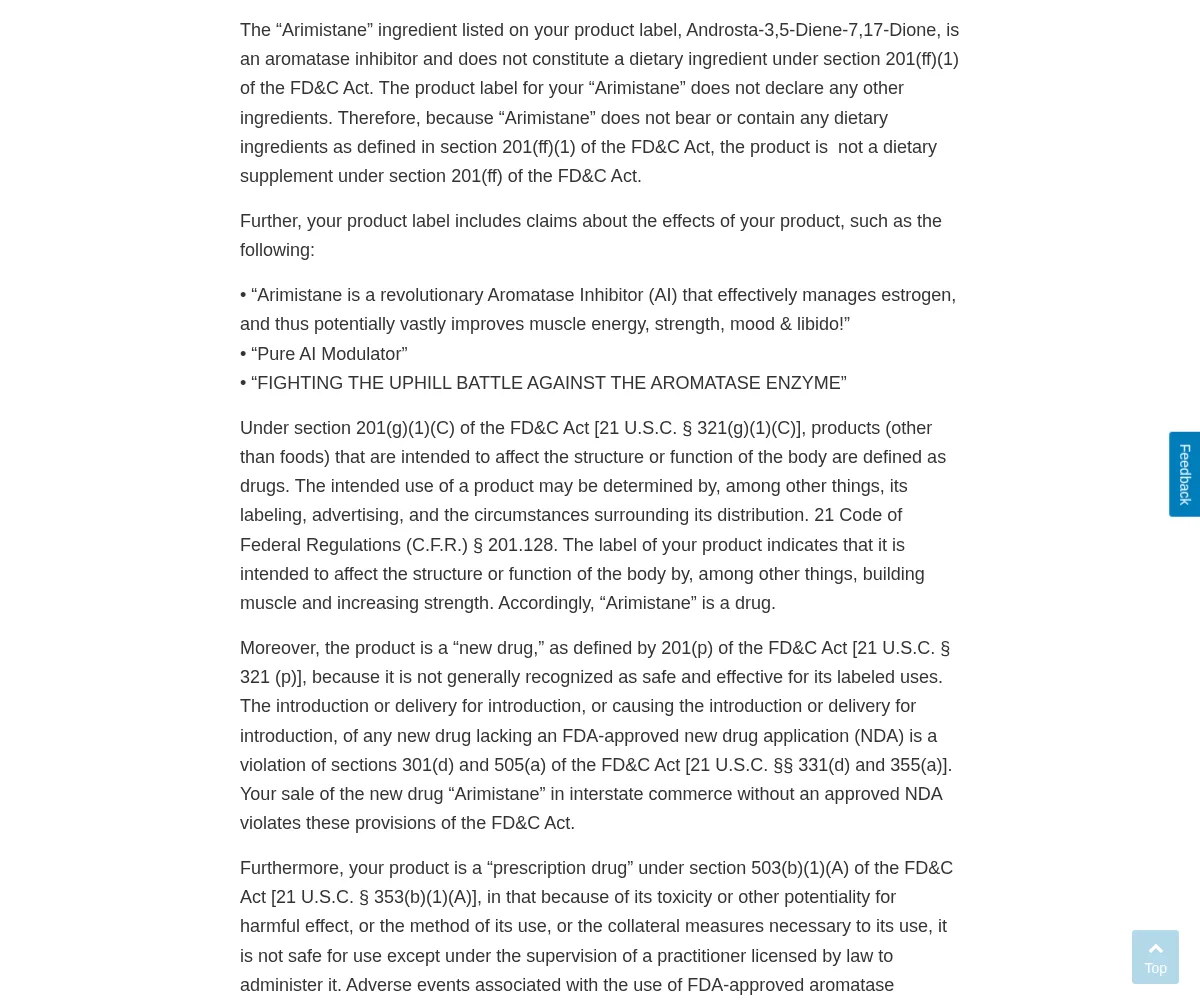
Figure 2. FDA's May 2018 letter to the seller of a product called Arimistane. The agency calls the ingredient an aromatase inhibitor and the product an unapproved drug. [26]
Where it comes from. FDA's forensic chemists identified it in a supplement in 2019 and called it a designer steroid, noting that “this is not the first reported identification of this designer steroid in a dietary supplement”.[27] Anti-doping chemists showed in 2021 that it forms from 7-keto-DHEA, and that “its formation is due to degradation processes rather than to metabolic biotransformation reactions”.[28]
What it is not. It is not a selective estrogen receptor modulator, the drug class the clinical reviews name for recovery after steroid use.[22] An aromatase inhibitor lowers estrogen itself, and estrogen does work in men. In a 2013 trial published in the New England Journal of Medicine, researchers found that “estrogen deficiency primarily accounted for increases in body fat” in men whose hormones were lowered, and that it contributed to the loss of sexual function.[29] It is also not a tested drug. A PubMed search for arimistane on 19 October 2026 returned six records, all of them chemistry or anti-doping work, and no trial in people taking it for any purpose.[30]
PCT products have their own liver case reports. Slovak hepatologists in 2021 described two young men who developed cholestatic liver injury after SARMs followed by products sold as post-cycle therapy, one of whom noticed “dark urine, yellow sclera and thinner light colored stools”.[31] They concluded that SARMs and/or “substances in PCT may cause cholestatic liver injury with prolonged recovery”.[31]
Getting sick or injured mid-cycle
The question was put to the sub in October 2026 as a video link, and the replies were from people who had faced it. One wrote that “it sucks trying to make a call on which path to take when illness hits”.[32] We found no clinical study of whether to stop or continue a prohormone cycle during an illness or after an injury. What the literature does give is three things worth knowing before making the call.
The illness may be the liver. In the bodybuilding-supplement series, every patient became jaundiced and most had itching.[13] In the Slovak PCT cases the signs were dark urine and yellow eyes.[31] Feeling unwell, losing appetite and then seeing yellow skin or eyes, dark urine or pale stools, or new itching, is a reason to stop the compound and get liver tests that day, not a flu to push through. The 2008 methasterone series is the reason not to relax once the cycle has ended: the jaundice there arrived two weeks after stopping.[10]
Tell the doctor. In a 2004 study of weightlifters by researchers at McLean Hospital in Massachusetts, “56% had never revealed their AAS use to any physician”.[33] A clinician who does not know about a methylated oral will read a jaundiced young man's bloodwork as hepatitis and test for viruses. Bring the bottle. The 2014 hypogonadism review is explicit that the specific details of a cycle matter to treatment.[22]
Stopping has its own cost. Ending a cycle abruptly brings on the suppression described above, with fatigue, low libido and low mood for weeks.[8] That is unpleasant during an illness, and it is not dangerous in the way liver injury is. For the methylated kind, the liver risk is the one the case reports describe.[13][10]
Crossing into Canada with arimistane
On 13 October 2026 a member asked “any tips and advice on how to bring supplements in without issues”, before a trip to Canada with arimistane.[34] Four days earlier the same member had asked about a list of products from two brands.[35] The one reply said “DHEA is illegal in most other countries” and “The only questionable one is Arimistane”, and suggested moving the products into other bottles.[35] That is concealment, and this page will not help with it. Here is what Canadian law and the record show.
What is controlled. Schedule IV of Canada's Controlled Drugs and Substances Act lists “Anabolic steroids and their derivatives including” 43 named compounds.[36] DHEA is on that list under its drug name, prasterone. So is mebolazine, which PubChem also indexes as dimethazine, the compound sold as DMZ.[36][37] Methasterone and halodrol are not named, and the list covers derivatives.[36]
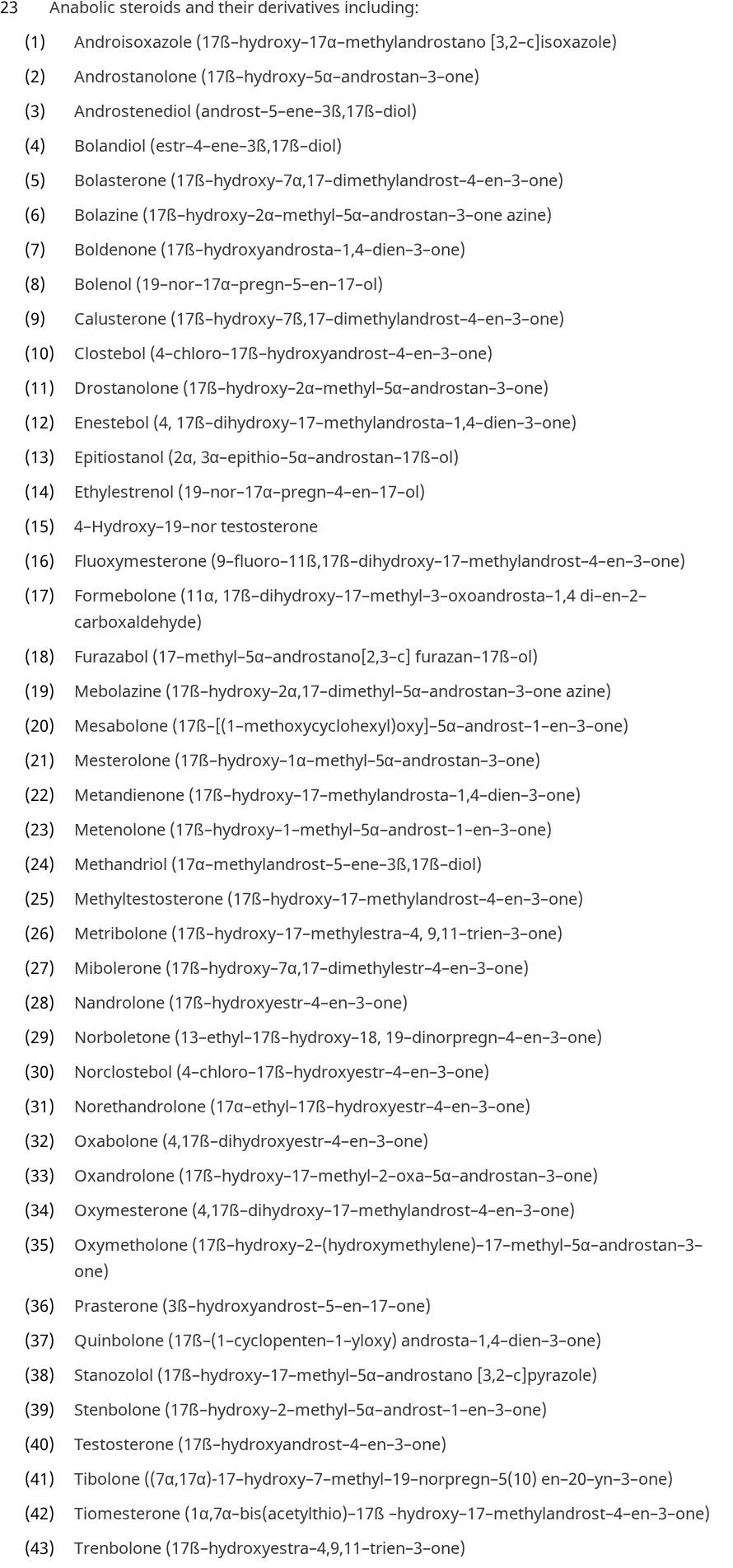
Figure 3. Canada's Schedule IV, item 23. Prasterone, at (36), is DHEA. Mebolazine, at (19), is the compound sold as DMZ. Arimistane is not on the list. [36]
What the Act forbids. Possession for personal use of a Schedule IV substance is not an offence: section 4 says “no person shall possess a substance included in Schedule I, II or III”.[36] Importing is. Section 6 says “no person shall import into Canada or export from Canada a substance included in Schedule I, II, III, IV, V or VI”, except as the regulations allow.[36] For Schedule IV the penalty on indictment is a person “liable to imprisonment for a term not exceeding three years”.[36]
What is not established about arimistane. It is not named in Schedule IV. We found no Health Canada advisory, recall or ruling that names it. Whether it counts as a derivative of a listed steroid, or as an unauthorised drug, has not been decided in any document we found. Health Canada puts the burden on the traveller: “individuals are responsible for knowing if the products being imported contain a prescription drug or a controlled substance”.[38] The DHEA isomers sold as 1-Andro and 4-Andro are in the same position: not named, and structurally close to a named one.[36]
What happens at the border. The CBSA's rule is short: “if you do not declare goods or if you falsely declare them, the CBSA can seize the goods”, with penalties of 25 to 70 per cent of their value and a record that brings closer examination on later trips.[39] Declaring a product does not make it legal to import, and it does keep a traveller on the right side of the customs rules. The lowest-risk choice is to leave arimistane and DHEA-family products at home.
Where these compounds stand in US law
The 2004 Act. The Anabolic Steroid Control Act of 2004 was passed “to clarify the definition of anabolic steroids and to provide for research and education activities relating to steroids and steroid precursors”.[15] It listed the androstenedione and androstenediol precursors by name, and the definition it wrote, still in the regulations, covers substances related to testosterone “other than estrogens, progestins, corticosteroids, and dehydroepiandrosterone”.[15][40] DHEA itself is excluded by name.
Methasterone, 2012. The DEA made methasterone a Schedule III anabolic steroid in 2012. In its rule the agency said that, as of March 2010, “62 dietary supplements were purported to contain methasterone”.[12]
The 2014 Act. The Designer Anabolic Steroid Control Act of 2014 was passed “to more effectively regulate anabolic steroids”.[41] It added a list of chemical names and a designer clause. On the list, halodrol's chemical name appears twice; the DEA, codifying the Act in 2023, noted that one substance “is listed twice in the statute”, and that “while the statute lists 25 substances” the real number of new ones was 22.[42]
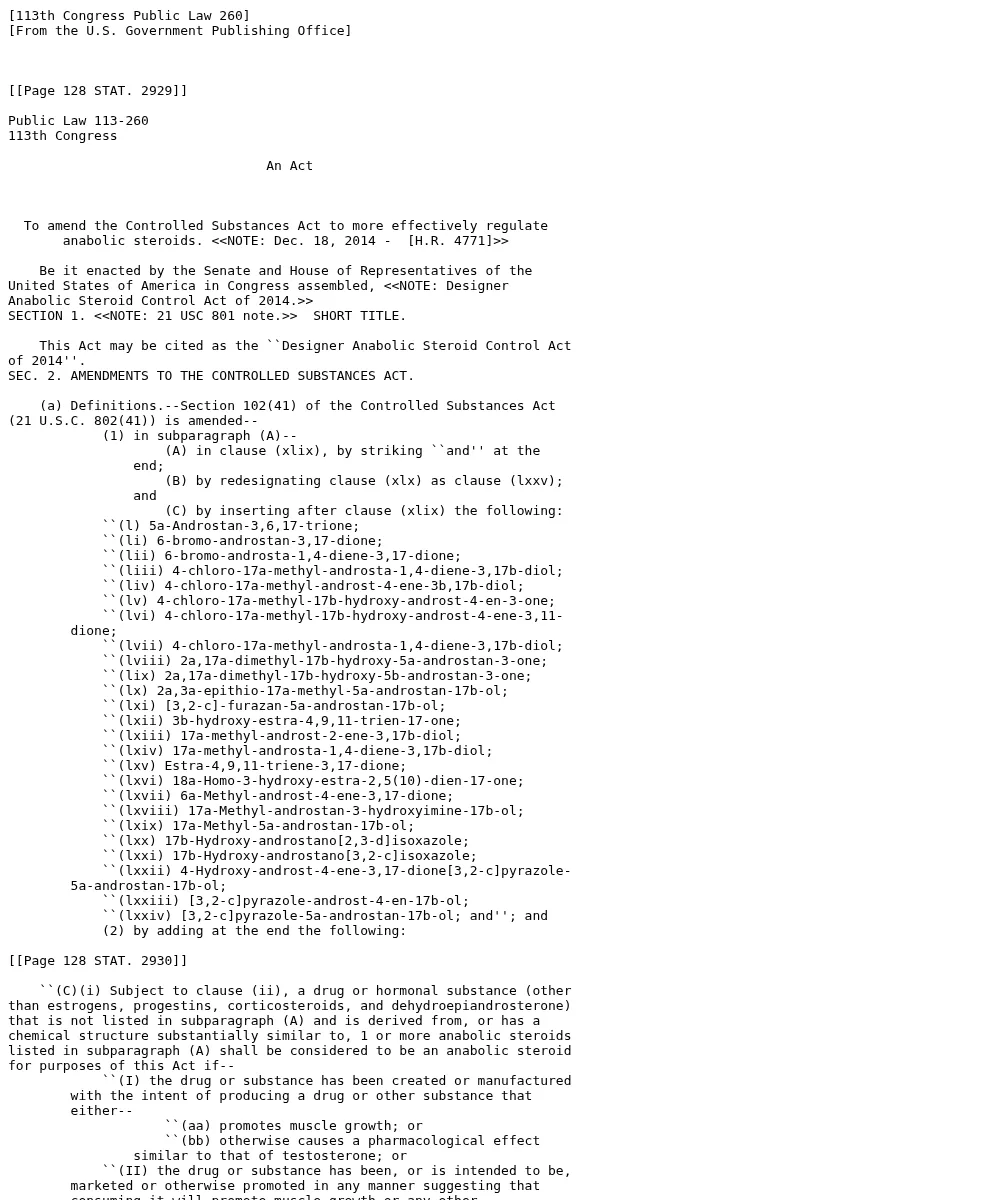
Figure 4. The 2014 Act. Clauses (liii) and (lvii) are the same compound, the one sold as halodrol; the paragraph below the list is the designer clause. [41]
The designer clause treats an unlisted substance as an anabolic steroid if it “is derived from or has a chemical structure substantially similar to one or more anabolic steroids” on the list, and was made to act like testosterone, or “has been or is intended to be marketed or otherwise promoted in any manner suggesting that consuming it will promote muscle growth”.[40]
Where that leaves each compound.
- Methasterone and halodrol are listed by chemical name in Schedule III.[4]
- DMZ is not named on the US list. It is built from two methasterone molecules, which is the shape of “derived from” in the designer clause, and we found no rule or court decision applying the clause to it.[5][40]
- 1-Andro, 4-Andro and epiandrosterone are not named. The list holds their neighbours, such as 1-androstenediol, 4-androstenediol and 5α-androstanedione, but not these 17-ketone forms.[4] They are not DHEA either, so the DHEA exclusion does not cover them by name. Whether the designer clause reaches them, given how they are marketed, has not been decided in any document we found.[40]
Federal prosecutors have tested that line in court. A superseding indictment against Hi-Tech Pharmaceuticals charges the company over “superdrol equivolin 1 ad 1 testosterone and androdiol all of which the government contends contain schedule iii controlled anabolic steroids”.[43] The company's position, recorded by the court in 2021, is that “the analysis of hi tech products demonstrated that the illegal anabolic steroids existed only in trace amounts not sufficient to render the products illegal”.[44] Those counts are untried allegations. The Hi-Tech dossier follows the case.
Labels against contents
Every study that has tested these products against their labels has found a gap.
- The liver injury network tested what its patients had taken, and “17 of the 21 body building supplements contained anabolic steroids that were different from those listed on the label”.[14]
- In the 2016 military cases, “3 of 4 supplements contained federally regulated AAS”, and none matched its label.[19]
- A 2015 UK study bought 24 suspect products from fitness shops. “Of the 24 products tested, 23 contained steroids including known anabolic agents”, and “16 of these contained steroids that were different to those indicated on the packaging”.[45]
- In New York in 2012 and 2013, about 16 people fell ill after “the consumption of B-50 vitamin and multimineral supplements from the same supplier”. The state laboratory found methasterone and DMZ in them, and linked one product to “the presentation of symptoms of severe virilization in a child”.[5]
So the bloodwork advice above applies to anyone taking a product in this market, including one sold as a precursor or a vitamin. A label that names a mild precursor can hold a methylated oral, and the liver does not read the label.
References
- r/prohormones posts from 17 October 2025 to 17 October 2026 (1,399 posts), read through the Arctic Shift archive and counted on 19 October 2026 — Arctic Shift — anecdotal report, not evidence
- Seized designer supplement named 1-Androsterone: identification as 3β-hydroxy-5α-androst-1-en-17-one and its urinary elimination (Parr et al., Steroids 2011;76(6):540-547) — PubMed (Steroids)
- Prohormone supplement 3β-hydroxy-5α-androst-1-en-17-one enhances resistance training gains but impairs user health (Granados et al., J Appl Physiol 2014;116(5):560-569) — PubMed (Journal of Applied Physiology)
- 21 CFR 1308.13, Schedule III, paragraph (f) anabolic steroids — Electronic Code of Federal Regulations
- Androgenic steroids in Over-the-Counter dietary Supplements: Analysis for association with adverse health effects (Tran et al., Wadsworth Center, New York State Department of Health; Steroids 2023;193:109199) — PubMed (Steroids)
- 70 Day Run: 3AD to Halodrol with bloodwork (u/flickthewrist, 1 October 2026) — r/prohormones — anecdotal report, not evidence
- hitechpharma.com, Superdrol, archived 2025-01-12 — Wayback Machine
- Adverse health consequences of performance-enhancing drugs: an Endocrine Society scientific statement (Pope et al., Endocr Rev 2014;35(3):341-375) — PubMed Central (Endocrine Reviews)
- Cholestatic jaundice and IgA nephropathy induced by OTC muscle building agent superdrol (Jasiurkowski et al., Am J Gastroenterol 2006;101(11):2659-2662) — PubMed (American Journal of Gastroenterology)
- Methasteron-associated cholestatic liver injury: clinicopathologic findings in 5 cases (Shah et al., Clin Gastroenterol Hepatol 2008;6(2):255-258) — PubMed (Clinical Gastroenterology and Hepatology)
- Severe cholestasis and renal failure associated with the use of the designer steroid Superdrol (methasteron): a case report and literature review (Nasr and Ahmad, Dig Dis Sci 2009;54(5):1144-1146) — PubMed (Digestive Diseases and Sciences)
- Classification of Two Steroids, Prostanozol and Methasterone, as Schedule III Anabolic Steroids Under the Controlled Substances Act (final rule, 77 FR 44456, 30 July 2012) — Drug Enforcement Administration (Federal Register)
- Severe and protracted cholestasis in 44 young men taking bodybuilding supplements: assessment of genetic, clinical and chemical risk factors (Stolz et al., DILIN Investigators, Aliment Pharmacol Ther 2019;49(9):1195-1204) — PubMed (Alimentary Pharmacology and Therapeutics)
- Severe and Protracted Cholestasis in 44 Young Men Taking Body Building Supplements (author manuscript, full text) — PubMed Central
- Anabolic Steroid Control Act of 2004, Public Law 108-358, 118 Stat. 1661 — US Government Publishing Office (govinfo)
- Effect of oral androstenedione on serum testosterone and adaptations to resistance training in young men: a randomized controlled trial (King et al., JAMA 1999;281(21):2020-2028) — PubMed (JAMA)
- The Andro Project: physiological and hormonal influences of androstenedione supplementation in men 35 to 65 years old participating in a high-intensity resistance training program (Broeder et al., Arch Intern Med 2000;160(20):3093-3104) — PubMed (Archives of Internal Medicine)
- cholesterol very high 1st cycle (u/bihslayer, 12 May 2026) — r/prohormones — anecdotal report, not evidence
- Mission Compromised? Drug-Induced Liver Injury From Prohormone Supplements Containing Anabolic-Androgenic Steroids in Two Deployed U.S. Service Members (Magee et al., Mil Med 2016;181(9):e1169-e1171) — PubMed (Military Medicine)
- Cardiac and metabolic effects of anabolic-androgenic steroid abuse on lipids, blood pressure, left ventricular dimensions, and rhythm (Achar et al., Am J Cardiol 2010;106(6):893-901) — PubMed (American Journal of Cardiology)
- What's your guys go to pct plan an has it gone back to normal after (u/Known-Cartoonist-764, 11 October 2026) — r/prohormones — anecdotal report, not evidence
- Anabolic steroid-induced hypogonadism: diagnosis and treatment (Rahnema et al., Fertil Steril 2014;101(5):1271-1279) — PubMed (Fertility and Sterility)
- Designer steroids: over-the-counter supplements and their androgenic component: review of an increasing problem (Rahnema et al., Andrology 2015;3(2):150-155) — PubMed (Andrology)
- Clomiphene citrate tablets, prescribing information (Camber Pharmaceuticals) — DailyMed (US National Library of Medicine)
- Arimistane and lipids (u/hkondabeatz, 22 July 2026) — r/prohormones — anecdotal report, not evidence
- Warning letter to Performance Nutrition Formulators LLC dba VMI Sports, MARCS-CMS 543959, 18 May 2018, Wayback capture of 19 October 2026 — US Food and Drug Administration
- Identification of the designer steroid Androsta-3,5-diene-7,17-dione in a dietary supplement (Lorenz et al., FDA Forensic Chemistry Center; Drug Test Anal 2019;11(7):1109-1115) — PubMed (Drug Testing and Analysis)
- Arimistane: Degradation product or metabolite of 7-oxo-DHEA? (Martínez Brito et al., Drug Test Anal 2021;13(7):1430-1439) — PubMed (Drug Testing and Analysis)
- Gonadal steroids and body composition, strength, and sexual function in men (Finkelstein et al., N Engl J Med 2013;369(11):1011-1022) — PubMed (New England Journal of Medicine)
- PubMed search for arimistane, 19 October 2026 (six records) — PubMed (US National Library of Medicine)
- Liver injury associated with the use of selective androgen receptor modulators and post-cycle therapy: Two case reports and literature review (Koller et al., World J Clin Cases 2021;9(16):4062-4071) — PubMed Central (World Journal of Clinical Cases)
- Should You Stop or Continue a Prohormone Cycle if You Get Sick or Injured Mid Cycle? (u/Forsaken_Case_5821, 11 October 2026) — r/prohormones — anecdotal report, not evidence
- Anabolic steroid users' attitudes towards physicians (Pope et al., Addiction 2004;99(9):1189-1194) — PubMed (Addiction)
- I'm going to Canada tomorrow how can I bring in my Armistane? (u/hkondabeatz, 13 October 2026) — r/prohormones — anecdotal report, not evidence
- Going to Canada this coming week wondering if it's okay to bring hi tech and Blackstone products? (u/hkondabeatz, 9 October 2026) — r/prohormones — anecdotal report, not evidence
- Controlled Drugs and Substances Act (S.C. 1996, c. 19), full text including Schedule IV — Justice Laws Website, Government of Canada
- Mebolazine (CID 66847280), synonyms including dimethazine — PubChem (US National Library of Medicine)
- Bringing health products into Canada for personal use (GUI-0116) — Health Canada
- Declare goods and items: what to declare when entering Canada — Canada Border Services Agency
- 21 CFR 1300.01, Definitions relating to controlled substances (anabolic steroid) — Electronic Code of Federal Regulations
- Designer Anabolic Steroid Control Act of 2014, Public Law 113-260, 128 Stat. 2929 — US Government Publishing Office (govinfo)
- Implementation of the Designer Anabolic Steroid Control Act of 2014 (final rule, 88 FR 50036, 1 August 2023) — Drug Enforcement Administration (Federal Register)
- United States v. Wheat, No. 1:17-cr-229-AT (N.D. Ga.), Dkt 660, order on expert testimony, 2025-09-12 — GovInfo (US Courts opinions)
- United States v. Wheat, No. 1:17-cr-229-AT-CMS (N.D. Ga.), Dkt 431, supplement to report and recommendation, 2021-08-11 — GovInfo (US Courts opinions)
- Anabolic steroids detected in bodybuilding dietary supplements: a significant risk to public health (Abbate et al., Drug Test Anal 2015;7(7):609-618) — PubMed (Drug Testing and Analysis)
Comments
Sign in to join the conversation.
No comments yet.