
Made in Shenzhen, sold at the gas station: the disposable nicotine vape and the law that never quite reached it
On September 10, 2025, the Food and Drug Administration and Customs and Border Protection announced that a joint operation in Chicago had produced “the seizure of 4.7 million units of unauthorized e-cigarette products with an estimated retail value of $86.5 million”. The release added that “almost all the illegal shipments uncovered by the operation originated in China”.[1] It was the largest seizure of its kind. Three weeks later the FDA commissioner, Marty Makary, wrote to the country's retailers. He described fruit and candy flavors, “even marketing gimmicks such as built-in video games and Bluetooth speakers”, on products “which are mainly illegally imported from China”, and he gave a share: “as much as 54% of vaping products sold nationally are illegal”.[2] Executives at British American Tobacco, which sells authorized vapes in the United States, put the figure higher. Reuters reported that “executives at BAT estimate unauthorised devices make up 70 per cent of vape sales in the US”.[3]
Both numbers describe the same thing from opposite ends. Federal law has required a marketing order for every new e-cigarette since 2016, and none of the fruit-flavored disposables on American counters has one. They are still on the counter. This article sets the law, in its own words, against the shelf. It follows the device from a battery in a tube to a 25,000-puff box with a screen, names the companies that the trademark files and the trade commission name, and traces the route from Shenzhen to the gas station.
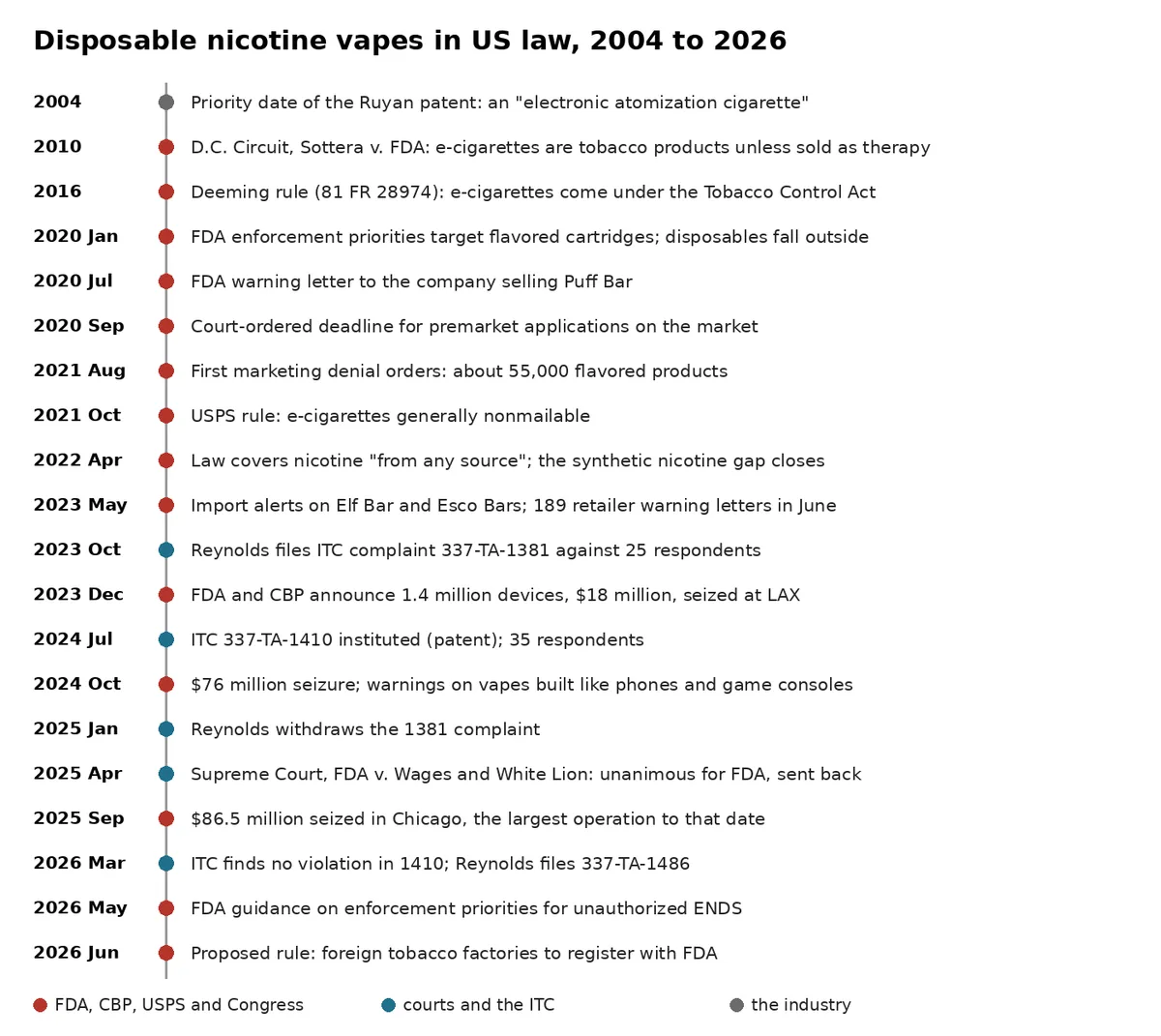
Figure 1. Twenty-two years in one column, drawn for this article from the documents it cites. Red dots are regulators and Congress, blue dots are courts and the trade commission. [4]
A battery in a tube
The patent that describes the modern e-cigarette was filed from China. US patent 7,832,410, granted in 2010 with a priority date of April 14, 2004, opens: “the invention relates to an electronic atomization cigarette which only contains nicotine without harmful tar”.[5] Its drawings show the shape the first generation kept: a battery at one end, a liquid reservoir and an atomizer at the other, the whole thing the length and width of a cigarette.
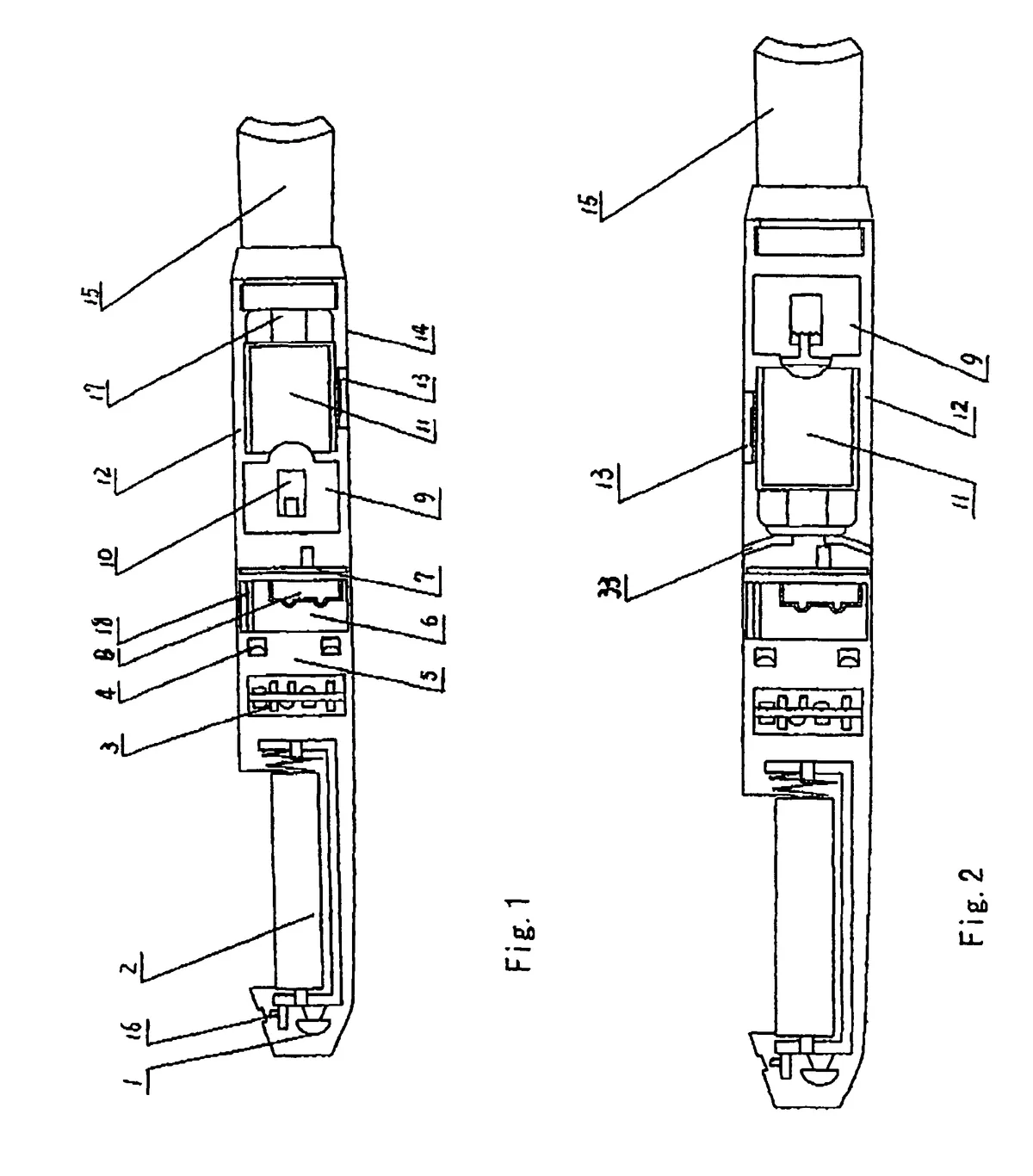
Figure 2. Figures 1 and 2 of US patent 7,832,410, the electronic atomization cigarette, priority date April 2004. Battery at one end, liquid and atomizer at the other: the cig-a-like in one drawing. [5]
On July 22, 2009, the FDA held a press conference about these cig-a-likes. Its release described them as “battery-operated devices that generally contain cartridges filled with nicotine, flavor and other chemicals”, said they “are readily available online and in shopping malls”, and noted that “they are also available in different flavors, such as chocolate and mint, which may appeal to young people”.[6] The agency's laboratory had “recently tested two brands, Smoking Everywhere and NJOY”, as Connecticut's attorney general put it when he repeated the findings, and found nitrosamines in both and diethylene glycol in one cartridge.[7] The FDA also said what it had been doing at the ports: “the FDA has been examining and detaining shipments of e-cigarettes at the border”.[6] It treated the products as unapproved drug-device combinations.
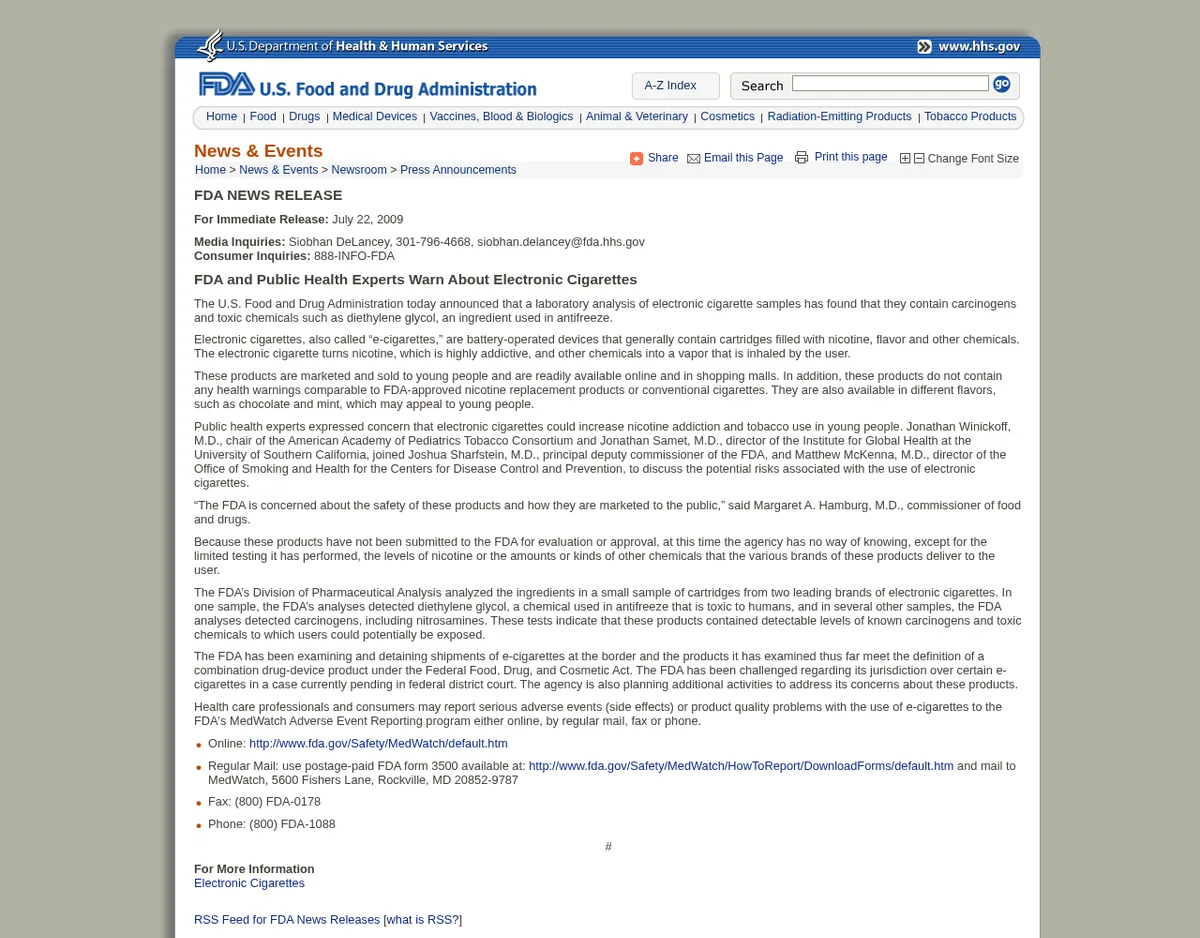
Figure 3. July 22, 2009: the FDA's first public warning about e-cigarettes. Near the end it says the agency had been detaining shipments at the border. [6]
The importers sued, and won. NJOY's company, Sottera, was described by the D.C. Circuit in December 2010 as an importer of “a product that enables users to inhale vaporized nicotine”.[8] The court held that the FDA could regulate such products as drugs only when they were sold with therapeutic claims. The FDA's own summary of the decision says products made from tobacco fall under its tobacco authorities “unless they are marketed for therapeutic purposes, in which case they are regulated as drugs and/or devices”.[9] That sent e-cigarettes to the Tobacco Control Act of 2009, which the agency had not yet applied to them.
Deemed, then deferred
The statute that governs these products today defines a tobacco product as something that “means any product made or derived from tobacco, or containing nicotine from any source, that is intended for human consumption”.[10] The words from any source were added in 2022, and the reason is further down. A new tobacco product, under 21 U.S.C. 387j, is “any tobacco product (including those products in test markets) that was not commercially marketed in the United States as of February 15, 2007”.[4] A new product needs an order from the FDA before it can be sold, and the test for the order is public health: whether marketing it is appropriate “shall be determined with respect to the risks and benefits to the population as a whole, including users and nonusers of the tobacco product”.[4]
The FDA brought e-cigarettes under that regime by rule in 2016. The Supreme Court described the consequence in 2025: “the deeming rule retroactively rendered such products” new tobacco products, and because none had an order, “the effect of the rule was to make their continued sale illegal”.[11] The agency did not enforce that immediately. “The FDA delayed enforcement for two to three years”, the Court said, so that companies could file applications.[11] A court then set a deadline of September 9, 2020, for applications covering products already on the market. By then, according to the agency, “the FDA has received applications from over 500 companies covering more than 6.5 million tobacco products”.[12]
The footnote that let the disposable through
In January 2020 the FDA published its enforcement priorities. The first priority was “any flavored, cartridge-based ENDS product (other than a tobacco- or menthol-flavored ENDS product)”.[13] The guidance defined a cartridge: “a cartridge or pod is any small, enclosed unit (sealed or unsealed) designed to fit within or operate as part of an electronic nicotine delivery system”. Footnote 21 then said what the definition did not cover: “an example of products that would not be captured by this definition include completely self-contained, disposable products”.[13]
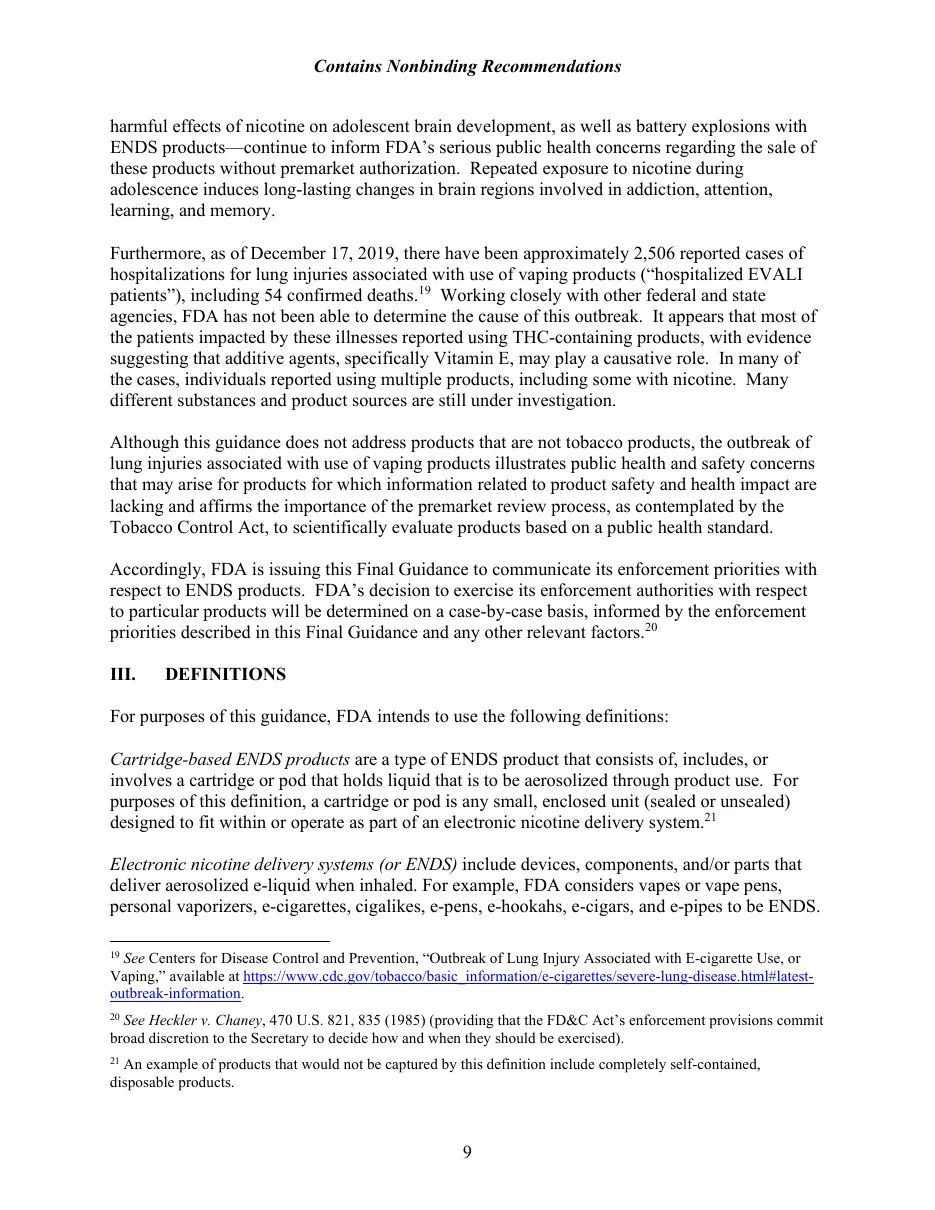
Figure 4. Page 9 of the FDA's January 2020 enforcement guidance. The definition targets cartridges and pods. Footnote 21, at the bottom, leaves out the disposable. [13]
Every disposable was still illegal to sell without an order. The guidance only said which illegal products the agency would chase first, and the disposable was not on the list. Puff Bar filled the gap that year. Its home page in June 2020 promised “over 20 flavors and 200-300 puffs”, and told buyers to “just open it, use it and throw it away when done”, because “they require no maintenance, charging or refilling”.[14] On July 20, 2020, the FDA sent the company that sold it a warning letter stating that “these products are tobacco products because they are made or derived from tobacco and intended for human consumption”.[15] The PUFF BAR trademark is registered to EVO Brands, LLC, at an address in Los Angeles.[16]
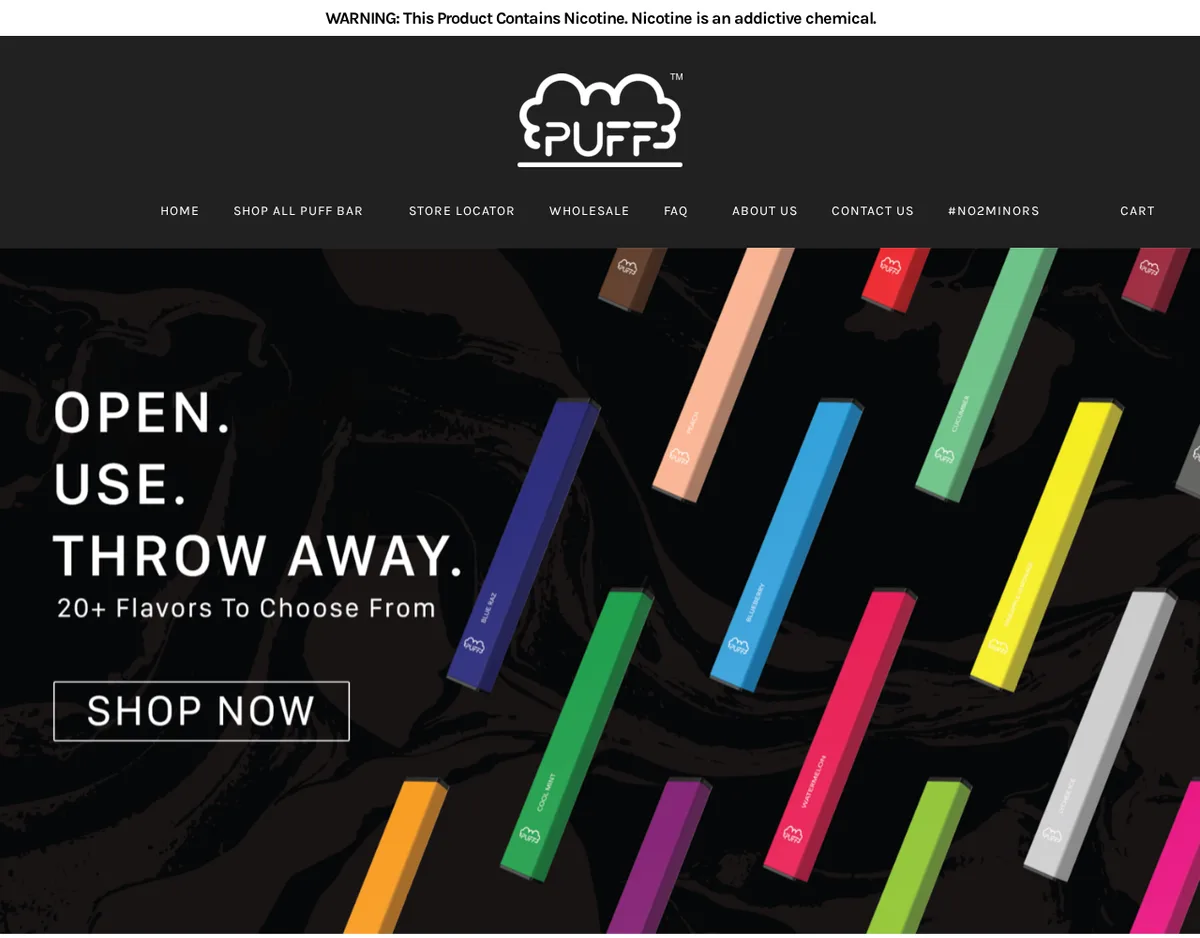
Figure 5. Puff Bar in June 2020, five months after the FDA guidance that left disposables off its priority list. The banner is the whole product description. [14]
Puff Bar's answer was chemistry. In 2021 it relaunched with nicotine made in a laboratory, and its marketing said the products “do not contain tobacco or anything derived from tobacco”.[17] If the nicotine did not come from tobacco, the product arguably was not a tobacco product. Congress closed that argument in a spending bill in March 2022, adding nicotine from any source to the definition.[10] The Associated Press reported, when the change took effect on April 14, 2022, that “the action targets Puff Bar and several other vaping companies that recently switched their formulas to laboratory-made nicotine to skirt FDA oversight”.[17]
Six and a half million applications, thirty-nine orders
The FDA's first marketing denial orders for e-cigarette applications that reached scientific review came on August 26, 2021, covering about 55,000 flavored products, in “flavors such as Apple Crumble, Dr. Cola and Cinnamon Toast Cereal”.[12] The companies sued, and the case that reached the Supreme Court was brought by liquid makers whose flavored applications had been denied, led by Wages and White Lion.
On April 2, 2025, the Court ruled for the FDA. “Alito, J., delivered the opinion for a unanimous Court”.[11] The opinion opens with the problem as the Court saw it: “the panoply of available flavors, which include not only traditional cigarette flavors like tobacco and menthol but also fruit, candy, and dessert flavors, appeals to non-smokers, particularly younger Americans”.[11] The companies had argued that the evidence the FDA relied on came from pods and disposables, not their refillable liquids. The Court was not persuaded: “from that evidence, the FDA drew the reasonable inference that youth were most strongly drawn by flavor rather than device type”.[11] It rejected the Fifth Circuit's holding that the agency had switched its standards without notice, and on a separate question of harmless error it sent the case back: “we vacate the judgment of the United States Court of Appeals for the Fifth Circuit and remand the case for further proceedings”.[11]
What survived review was short. In September 2025 the FDA's release stated that “to date, the FDA has authorized 39 e-cigarette products and devices”.[1] Reuters reported that the authorized products came from companies like British American Tobacco and Altria and that none was a fruity or sweet flavor.[3]
From 575 puffs to 25,000
Nothing in the statute limits the size of a device. The market grew the disposable instead of replacing it, and one brand's archived product pages show the steps.
In January 2021 the Geek Bar was a slim stick. Its page advertised “575 puffs 500mah high voltage battery”, 2.4 ml of liquid, and a comparison: “575 puffs 48 cigarettes based on our rigorous lab results”.[18] By October 2022 the B5000 carried “5000 puffs 5 nicotine 14ml 650mah rechargeable mesh coil”, a battery with a charging port and nearly six times the liquid.[19] The word disposable now described a device that was recharged before it was thrown away.
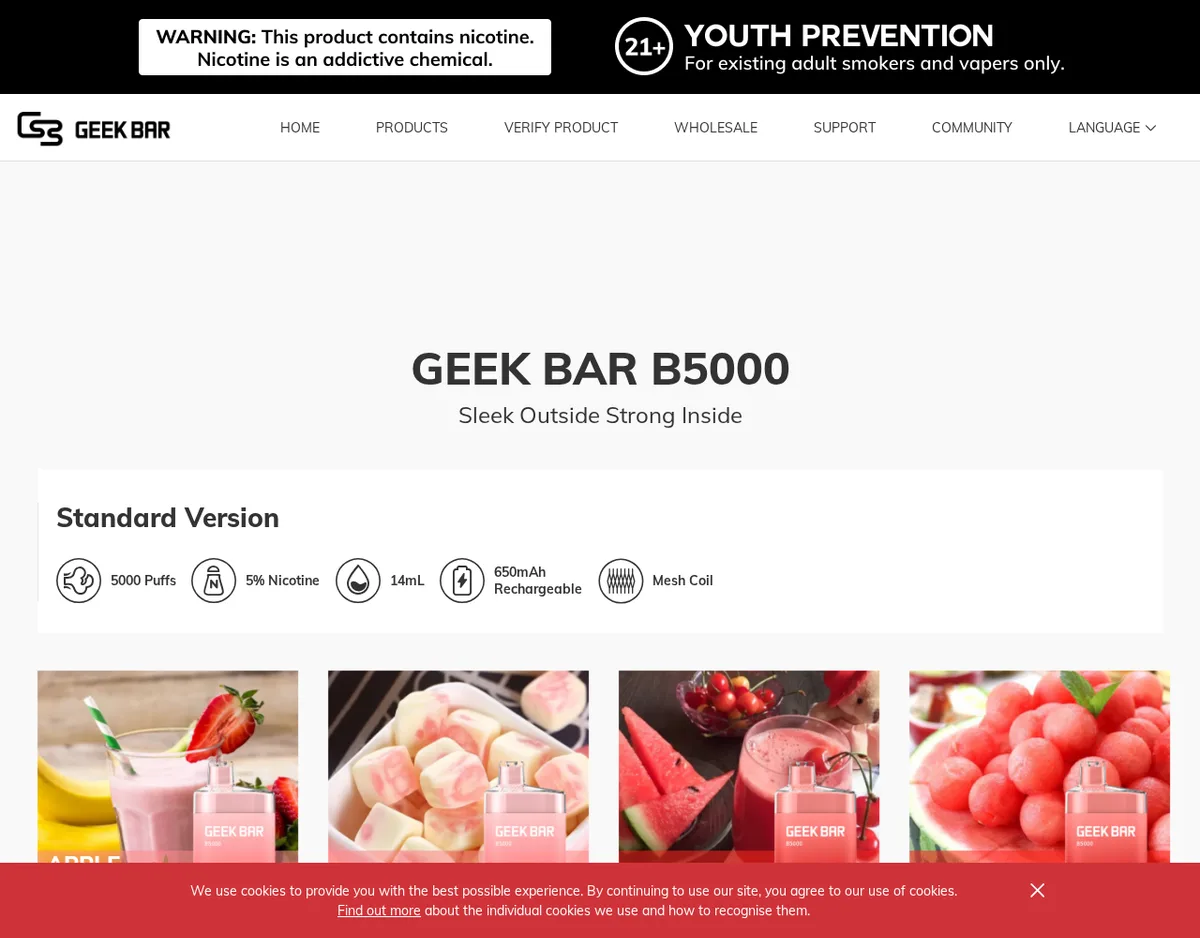
Figure 6. The B5000 in October 2022: 5,000 puffs, 14 ml, a rechargeable battery and a mesh coil, photographed next to strawberries and watermelon. [19]
The Pulse came in 2023 with a screen. Its page called it the “world's first full screen dual mesh coil dual core regular 15000 puffs pulse 7500 puffs”, two power modes with two coils, and said the display would let you “stay in control your battery and e juice capacities with the full screen display”.[20] The screen did more than count. During use and charging it played animations, and the copy invited the buyer to “board the spaceship travel to fruit planet”.[20]
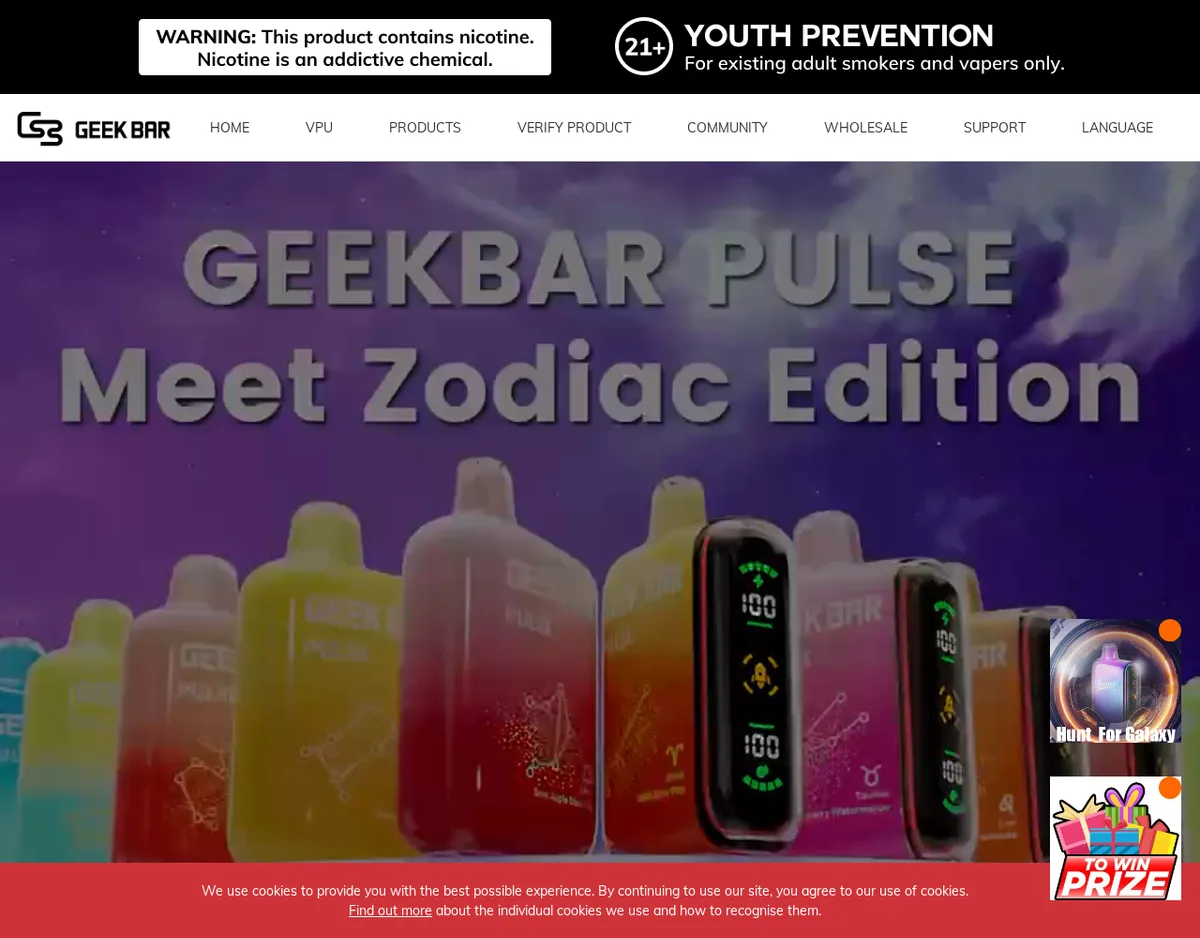
Figure 7. December 2023, the Pulse. The screen shows how much battery and liquid are left, and the site says it plays animations while you vape. [20]
The Pulse X followed in 2024 with “regular 25k puffs pulse 15k puffs 18 ml” and a claim about its display: “the 3d curved screen is absolutely a major milestone in the history of vapes innovation”.[21]
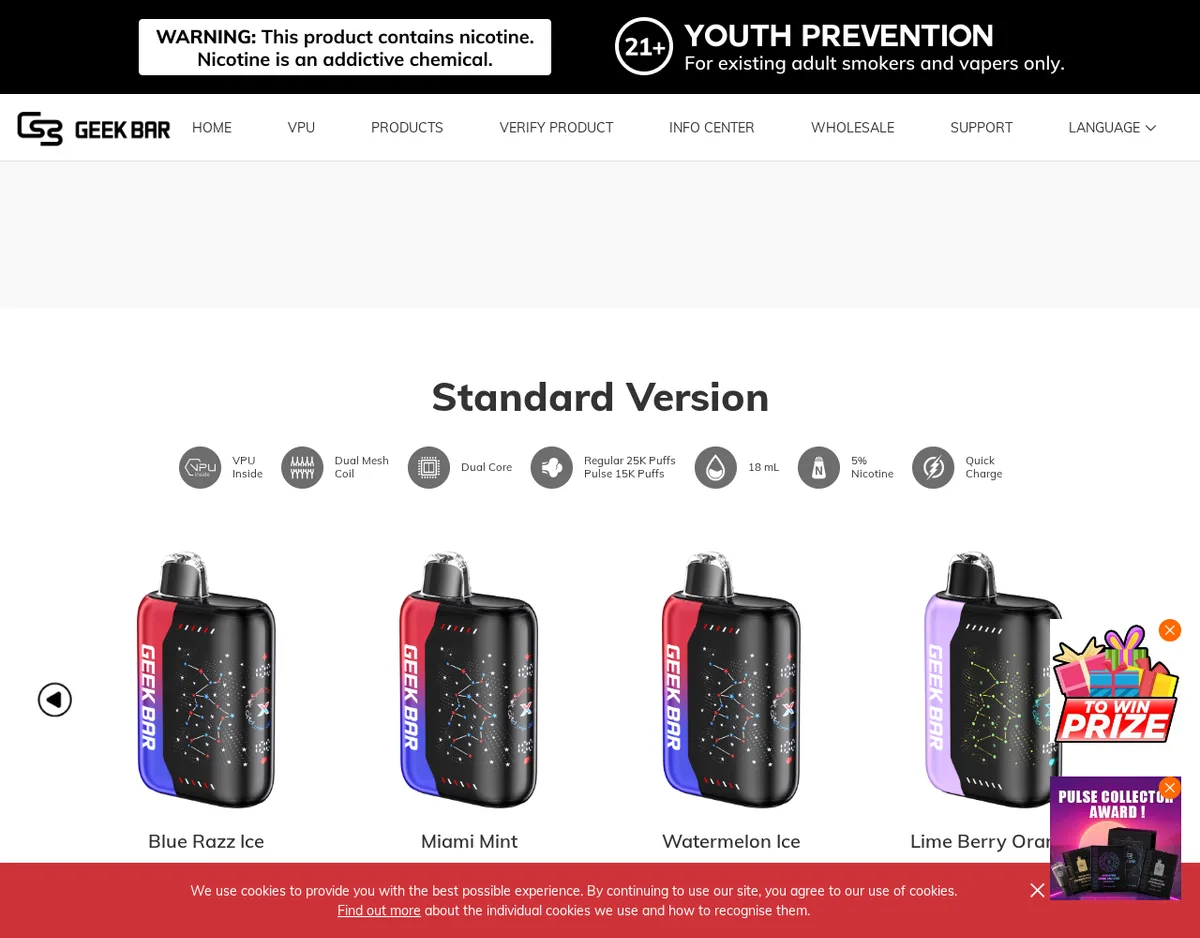
Figure 8. June 2024, the Pulse X: 25,000 puffs claimed, 18 ml of liquid and what the maker called the first 3D curved screen. [21]
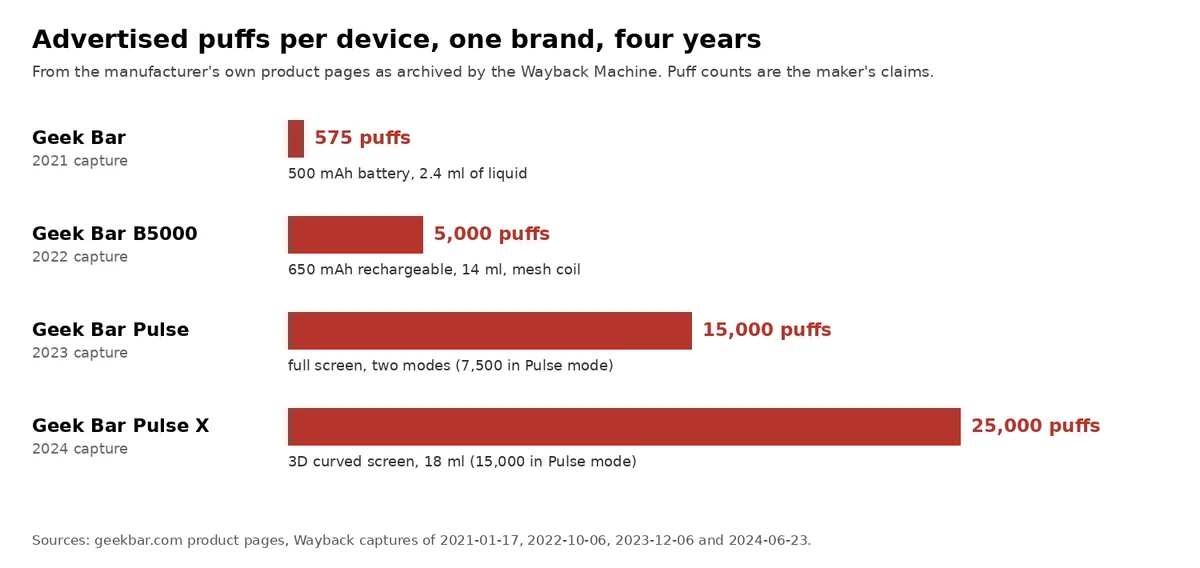
Figure 9. One brand's puff counts, as its own product pages advertised them. The counts are the maker's claims and nobody has tested them for this article. The screen arrives with the third bar. [21]
Other brands went further than screens. On October 30, 2024, the FDA announced that it had “issued warning letters to nine online retailers and one manufacturer” over disposables with features like “the ability to play games, connect to a smartphone, receive text or call notifications, play music, or personalize products with custom wallpaper”.[22] The agency's concern was disguise: “the designs help conceal the nature of the products as tobacco products from parents, teachers, or other adults”.[22] One letter quoted a seller's listing for a single disposable that promised a “find my phone feature”, a “dedicated selfie button” and a “workout tracker”, and another model with three “playable retro games”.[23]
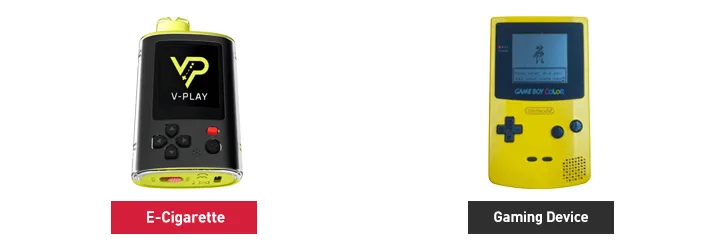
Figure 10. The FDA's own comparison, October 2024: a disposable vape with a screen and a direction pad, next to the handheld console it imitates. [22]
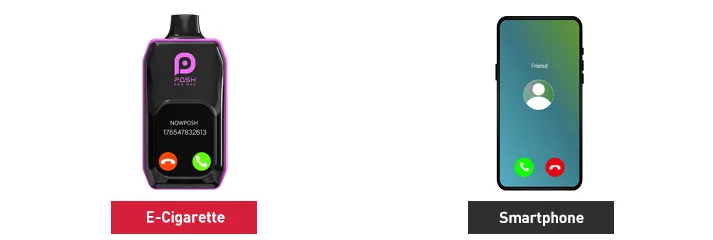
Figure 11. The second pair in the same FDA notice. The vape on the left displays an incoming call. [22]
Buyers noticed. In May 2024 a poster on r/Vaping showed off a new device: “I can play Tetris, pac man, and a space invaders like game”. The first reply was unimpressed: “almost as dumb as having bt speakers on your vape”.[24] A month earlier another poster had watched the vape shops they used to frequent “swap out their rebuildable sections for rows upon rows of disposables”, and added that “even gas stations are stocked with disposable vape options”.[25]
The latest step is back toward the pod, with the battery kept. Geek Bar's 2026 Mate 60K is sold as a base and a cartridge: “one pod one world swap into better flavor”, with “a 900mah device paired with a 200mah pod”.[26] Its Spark has a screen on which “the dynamic meteor shower flows across the screen”, and “two pod options prefilled or refillable”.[27] Six years after the guidance that exempted the disposable because it was not a pod, the disposable has become a pod system again. Neither the base nor the pod has a marketing order.
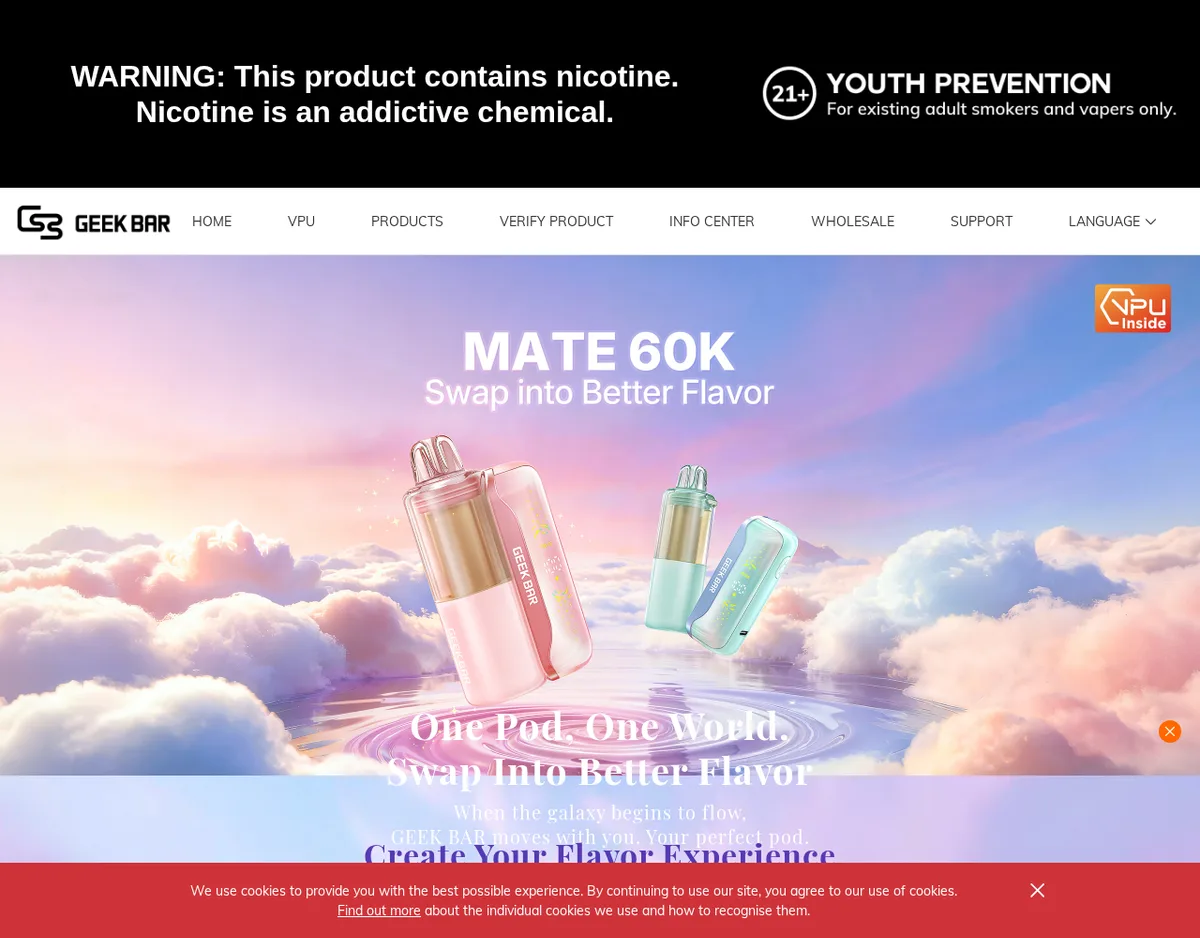
Figure 12. March 2026, the Mate 60K: a battery base and a swappable pod, sold under the same brand that began with a 575-puff stick. [26]
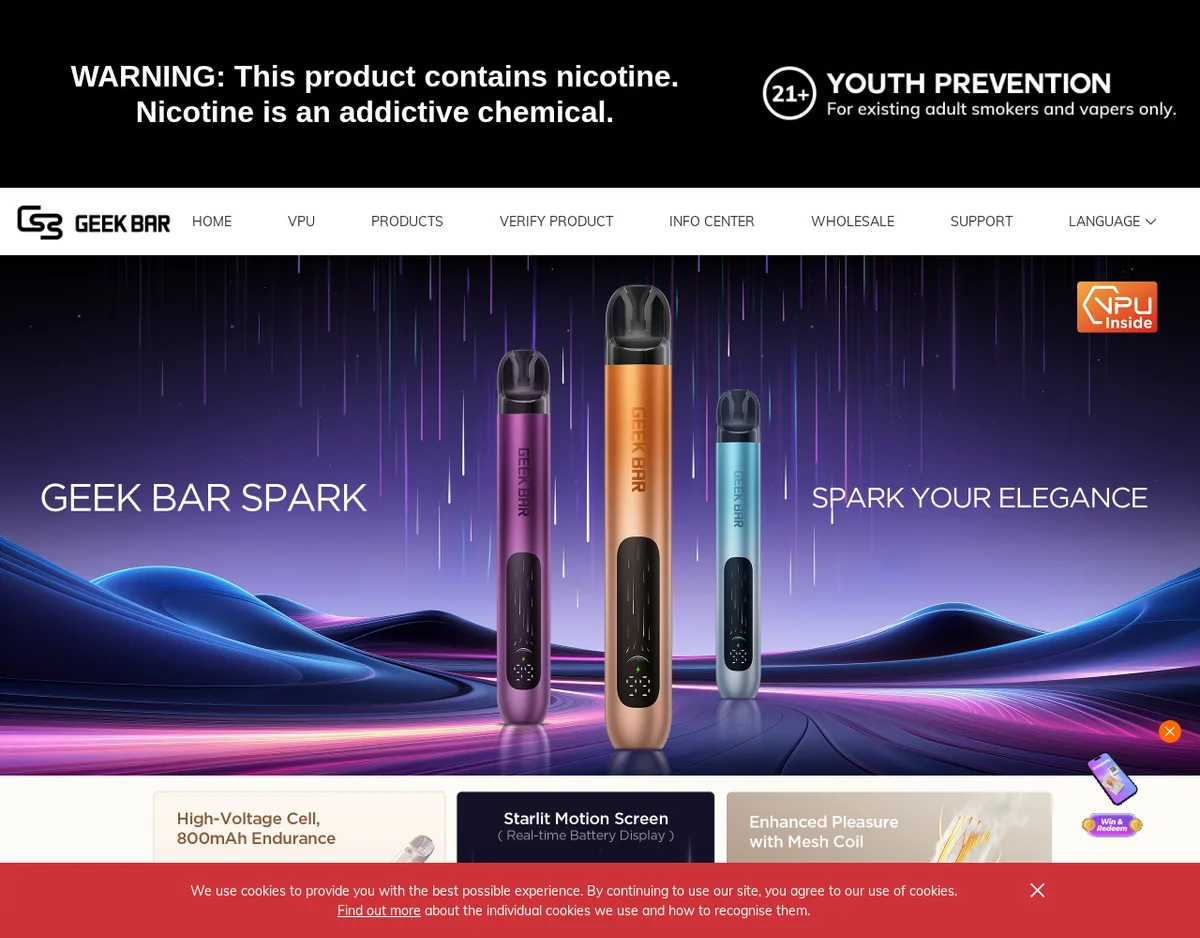
Figure 13. The Spark, March 2026: a pod device with a screen, sold with prefilled or refillable pods. [27]
Who makes them
Shenzhen makes most of them. The AP reported in December 2023 that “Elf Bar is the lead product of Shenzhen iMiracle, a privately held company based in Shenzhen, the sprawling Chinese manufacturing hub that produces more than 95% of the world” supply of e-cigarettes.[28] Reuters, working from Chinese and American customs data in 2025, reported that “the Chinese city of Shenzhen is the biggest source of vapes, both legal and illegal, coming into the United States”.[3]
The FDA names manufacturers rarely, but it has said enough to connect the best-known brands. In December 2023 it wrote that “following a trademark infringement lawsuit earlier this year, the manufacturer of Elf Bar began marketing the product as” EB Design, and that “the same company also markets the e-cigarette brand Lost Mary”.[29] In July 2024 it was more direct: “the brand Lost Mary, which is manufactured by the same firm as Elf Bar”.[30] The AP gave the trademark case: iMiracle dropped the Elf Bar name “after losing a trademark case to a smaller company that already sold its own products as Elf Vapes”. It also reported that “Heaven Gifts and iMiracle share the same building address in Shenzhen”.[28] Lost Mary has its own dossier on this site, which follows the brand through the same records.
In August 2024 the FDA wrote that “Geek Bar, a Chinese-owned and manufactured brand, has recently seen an uptick in sales”.[31] Reuters named the company in June 2025: “Geek Bar manufacturer Guangdong Qisitech did not respond to a request for comment”.[32] The trademark office agrees about the name. The GEEK BAR registration lists its owner as Guangdong Qisitech Co., Ltd., at Room 201, Building 3, No. 36 Fuxing Road, Changan Town, Dongguan.[33]
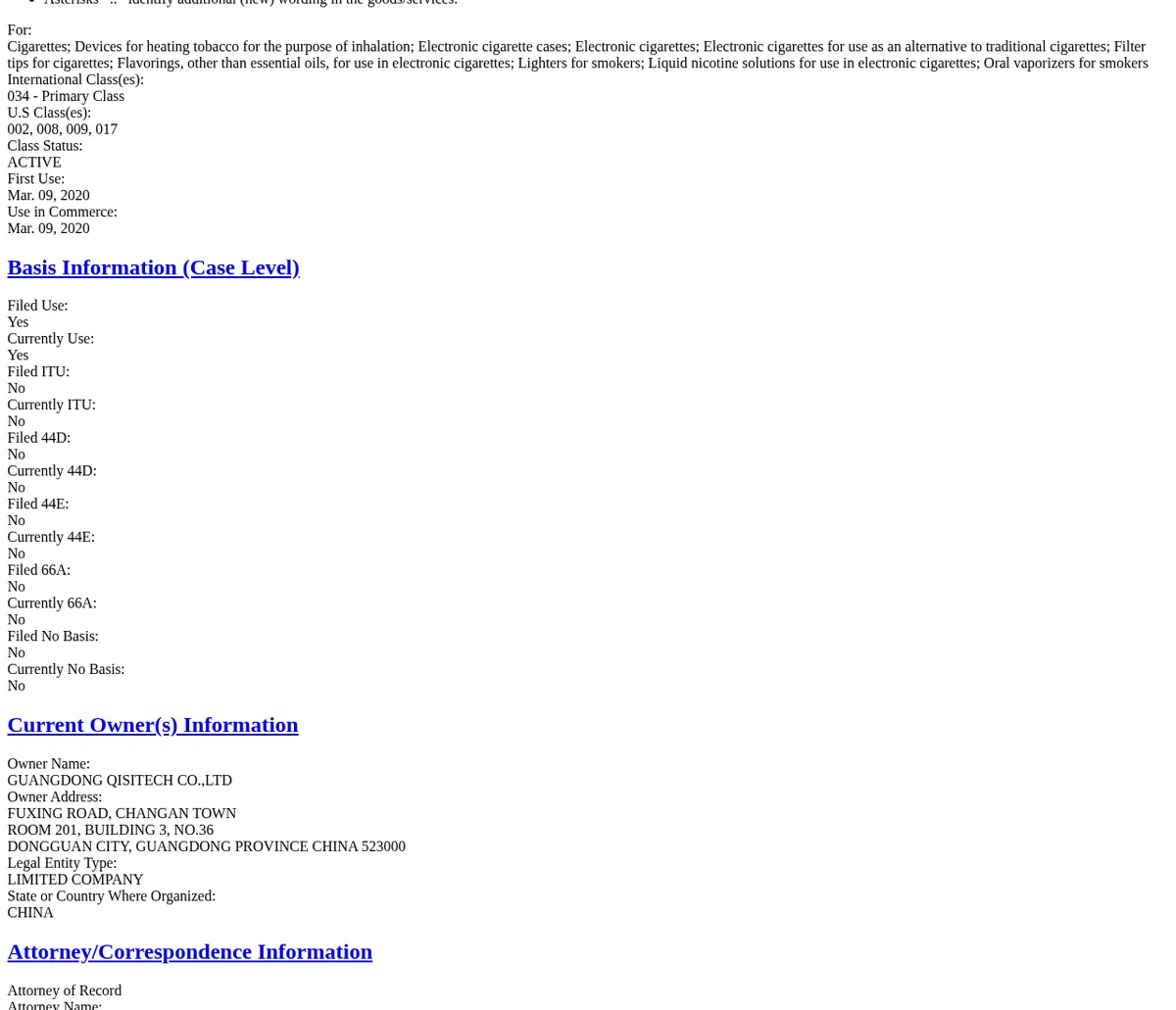
Figure 14. The GEEK BAR registration. Owner: Guangdong Qisitech of Dongguan. First use in commerce: March 9, 2020. [33]
The trademark files are the most complete public record of who owns the names, and they show how the ownership is spread. The LOST MARY registration filed through the Madrid system belongs to iMiracle (HK) Limited of the Metropolis Tower in Hung Hom.[34] A live ELFBAR registration belongs to Bliss Planet Limited, at an address on Nathan Road in Kowloon.[35] An earlier ELFBAR application, filed in 2020 by a different Shenzhen company, Shenzhen Weiboli Technology, is dead.[36] MR FOG is registered to Dongguan Hengtai Biotechnology.[37] OFF-STAMP is owned by Palma Terra Limited, whose address is a post office box in Road Town, Tortola, in the British Virgin Islands.[38] RAZ is held by a Delaware company, RAZ Holdings LLC, at 2225 Kenmore Avenue in Buffalo, New York.[39] That is the address the trade commission gave in 2023 for Magellan Technology, one of the companies Reynolds accused.[40] An owner of record is not necessarily the factory, and the files do not say who assembles what.
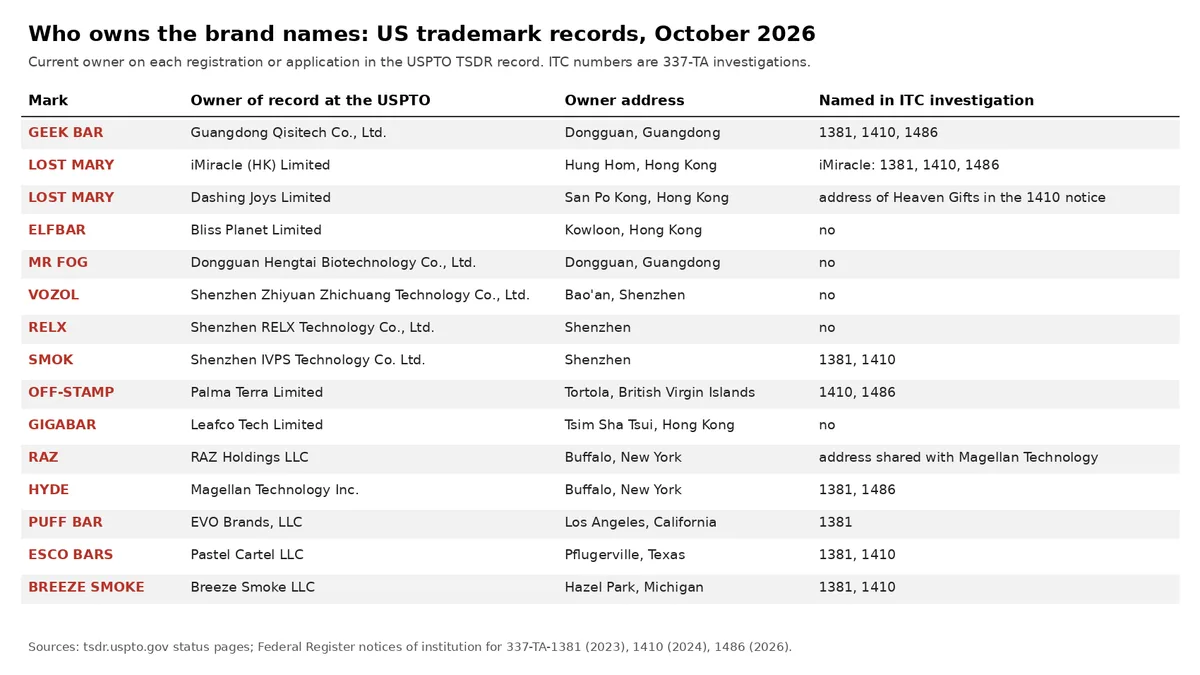
Figure 15. Fifteen brand names and the companies the USPTO lists as their owners, drawn for this article from the trademark status pages. A trademark owner is not necessarily the factory. [33]
This site's dossier on Kures, an online seller, records where those names end up: its nicotine section listed Geek Bar, Lost Mary and Mr Fog beside 7-OH tablets.
How they get here
Once a vape reaches a warehouse in the United States, the post office cannot carry it to a buyer. The 2020 amendments to the PACT Act put e-cigarettes under the mailing ban that already applied to cigarettes, and the Postal Service's final rule of October 2021 was written “to incorporate new statutory restrictions on the mailing of electronic nicotine delivery systems”. It says “such items are generally nonmailable, subject to certain exceptions”.[41] So the devices come in bulk, by air and sea freight, and move by private carrier and truck.
The seizure releases describe the method. In 2023 a three-day operation “at a cargo examination site at Los Angeles International Airport” ended in “the seizure of approximately 1.4 million units of unauthorized e-cigarette products”. There, “many of these unauthorized e-cigarettes were intentionally mis-declared as various items such as toys or shoes and listed with incorrect values”, and “other seized brands included Lost Mary, Funky Republic, RELX Pod and IPLAY MAX”.[42] In October 2024 the FDA announced “the administrative seizure of approximately three million units of unauthorized e-cigarette products with an estimated retail value of $76 million”, found “upon examining shipments, all of which originated in China”, most of them “intentionally mis-declared as items with no connection to vaping products”.[43] In January 2025 the agencies announced “the seizure of more than 628,000 unauthorized e-cigarette products from a warehouse in Miami”, goods that “had been intentionally misdeclared and also undervalued”.[44] A Chicago operation announced in May 2025 found “nearly two million units of unauthorized e-cigarette products in Chicago with an estimated retail value of $33.8 million”, and noted that “some products were also seized for intellectual property rights (IPR) violations for unauthorized use of protected trademarks”, which is to say counterfeits of brands that were themselves unauthorized.[45]
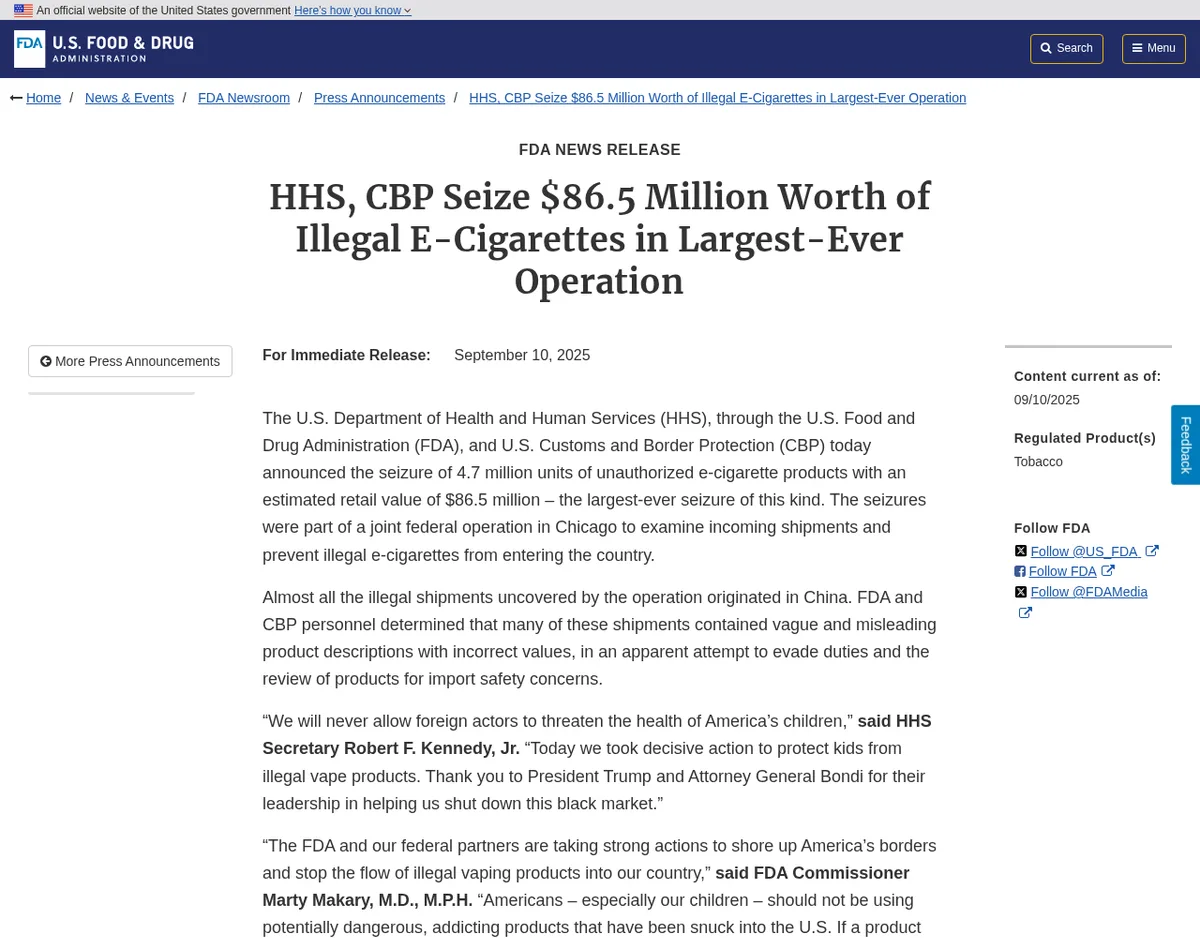
Figure 16. The FDA's release of September 10, 2025: 4.7 million devices, almost all of them shipped from China. [1]
Seizures that size are still small next to the trade. Reuters compared the two countries' customs data for 2024. “China exported more than 26 billion yuan” in vapes to the United States, while “US customs figures show only US$333 million in Chinese vapes were officially received in the US that same year”. Mismatches happen, but “a 90 per cent gap was unusual, two customs data specialists told Reuters”.[3] On the American side of the border, Reuters found that “the top ten largest US vape recipients also included six obscure firms opened in 2023 or 2024 and sometimes operating out of residential homes”.[3] After the Chicago seizure in September 2025, the FDA said “the FDA contacted 37 importers and import entry filers regarding their actions”.[1] Lost Mary's spokesperson told Reuters the brand had no connection to the customs broker the story examined, and that “flavors play a key role in helping adult users quit smoking”.[3]
Tariffs did what the seizures had not. In May 2025, Reuters reported, the FDA recorded “71 shipments of products labelled as e-cigarettes or vapes from China, compared with nearly 1,200 over the same period last year”, and Geek Bar in particular ran short.[32] The seizures then grew again. On May 13, 2026, CBP announced Operation Red Mist, which “seized more than 18 million units of electronic nicotine delivery systems” “valued at over $175 million”. It “primarily targets maritime cargo shipments originating from the People's Republic of China”, and the release gave the count of legal alternatives: “currently only 41 FDA-authorized products are permitted for U.S. marketing and distribution”.[46] A week later a poster on r/Vaping wrote: “can confirm there is a shortage vape wholesaler”.[47]

Figure 17. Operation Red Mist, May 2026: 18 million devices from sea freight, nearly four times the Chicago operation of eight months earlier, by count. [46]
The labels adapted. In April 2026 Reuters counted “at least eight new vape brands playing up their American credentials have appeared among the broad array of unlicensed labels available on U.S. shelves”, some of them owned from Hong Kong or controlled by a representative of a Shenzhen maker. The FDA's answer was that “it is illegal to sell unauthorised vapes regardless of where they are made”.[48] Lookalikes appeared too. In October 2025 a buyer posted a box labelled Gigabar Pulse X and said “the packaging is basically identical as the old GeekBar Pulse X”. One reply summed up a common view in the subreddit: “these all come from the same factories in Shenzhen China with different labels slapped on”.[49]
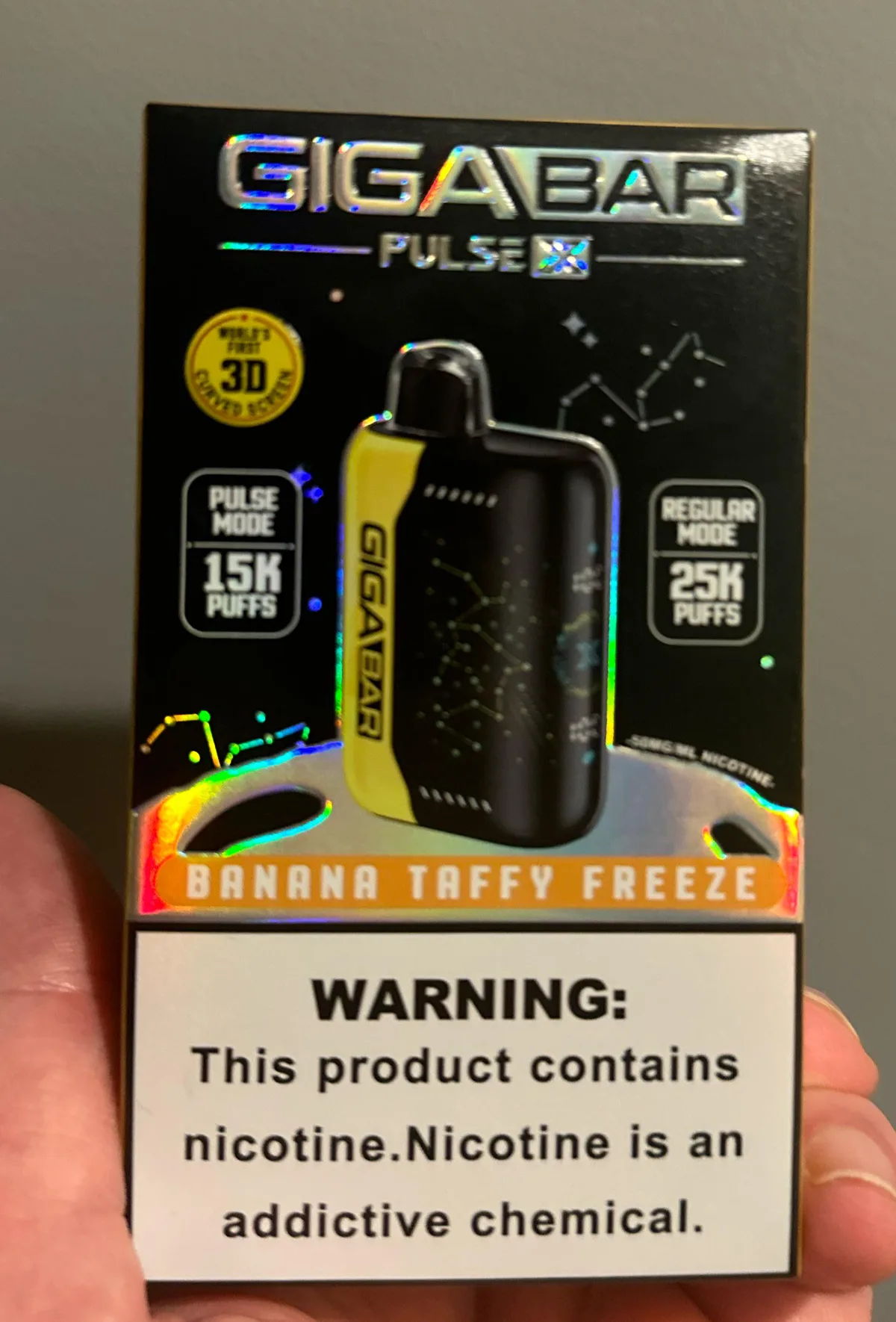
Figure 18. A buyer's photograph, October 2025: a box that copies the Pulse X's layout, its two puff counts and its screen slogan under the name Gigabar. The poster asked whether they had been scammed. [49]
The FDA's own reach into those factories is limited by its own rules. Domestic tobacco manufacturers must register with the agency and list their products. Its proposed rule of June 2026 explains that the obligation stops at the border, “while foreign owners and operators are not subject to these requirements, creating significant gaps in agency information”.[50] The statute left the foreign half to a regulation, and seventeen years after the Tobacco Control Act there is still only a proposal.
The courts, and the trade commission
The most direct legal attack on the Shenzhen makers came from a competitor, not a regulator. In October 2023 R.J. Reynolds, the maker of Vuse, filed a complaint at the International Trade Commission, which can order customs to exclude goods from the country. The notice of investigation charged importation by reason of “false advertising, false designation of origin, and unfair competition”, and named 25 respondents, among them iMiracle (Shenzhen) Technology at an address in Bao'an district.[40] In January 2025 “RJR filed a motion to terminate this investigation based on a withdrawal of the complaint”. The remaining respondents did not oppose it but asked for conditions to relieve the “extreme financial burdens” they said the case had imposed.[51]
The second complaint, in June 2024, was about a patent, “by reason of the infringement of certain claims of U.S. Patent No. 11,925,202”.[52] Its respondents included Heaven Gifts International at 19H Maxgrand Plaza in San Po Kong, Kowloon, and four companies registered at a single address in Tortola.[52] The record shows how a case like this goes when many respondents are Chinese. “The Commission's notice of investigation names thirty-five (35) respondents, of which eighteen (18) respondents participated in this investigation”, and “fifteen (15) respondents were subsequently found in default”, iMiracle among them.[53] The judge found infringement, and recommended that “the Commission should issue a general exclusion order”, a ban on infringing devices from anyone.[53] In March 2026 the Commission reversed. It held the asserted claims “are invalid as obvious under 35 U.S.C. 103”, and “this investigation is hereby terminated with a finding of no violation”.[54]
Reynolds filed a third time in January 2026, on a new theory. The complaint in 337-TA-1486 does not rest on a patent. It alleges “violations of the Prevent All Cigarette Trafficking Act”, then “violations of state and/or local flavor bans, (3) violations of state directory requirements, and (4) non-compliance with state and/or local excise taxes”.[55] Its respondents include Geek Miracle HK Limited and Shenzhen Geekvape Technology, along with iMiracle and several American distributors.[55] It asks a federal trade court to enforce state retail law at the port.
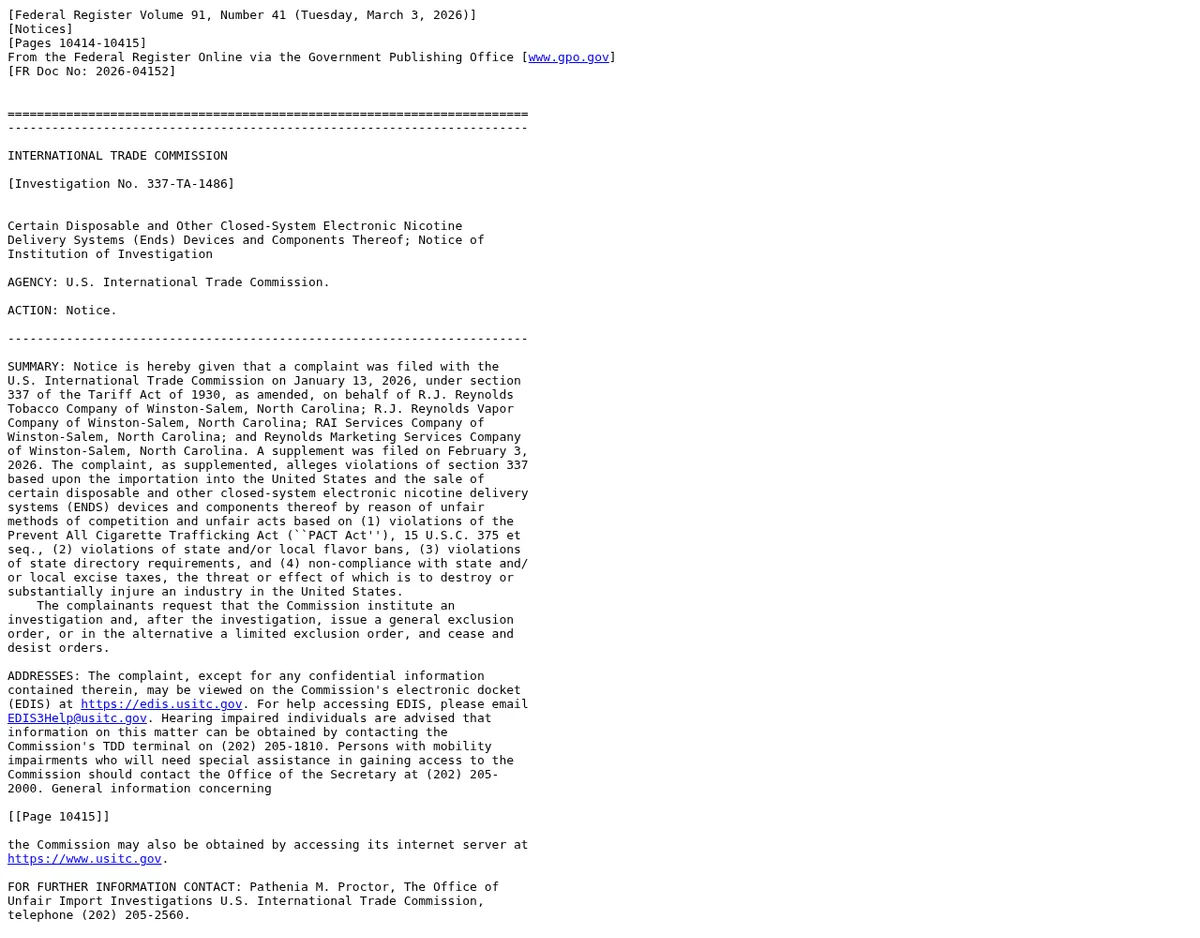
Figure 19. Reynolds' third complaint, as the Federal Register printed it in March 2026. The legal theory is no longer patents. It is that selling these devices breaks other laws. [55]
The FDA's own court cases went elsewhere. Its first injunction suits, filed by the Justice Department in October 2022, were described with the words “these cases represent the first time the FDA has initiated injunction proceedings to enforce” premarket review, and the six defendants were American shops and liquid makers, such as “Morin Enterprises Inc., doing business as E-Cig Crib”, in Minnesota.[56] By December 2024 the agency had “filed civil money penalty complaints against more than 83 manufacturers and more than 175 retailers”.[57] A manufacturer in Shenzhen has no American counter on which to serve a penalty. A shop in Minnesota does.
The shelf
That leaves the shops. In June 2023 the FDA wrote that “last month, the FDA issued import alerts for all products under both the Elf Bar and Esco Bars brands”, a red list “which makes them subject to detention without physical examination”. The same month the FDA “issued warning letters to 189 retailers for selling unauthorized tobacco products”.[58] The same release cited poison center reports of e-cigarette exposures, with “nearly all Elf Bar cases occurring among children younger than 5 years old”.[58] In July 2024 it warned 80 more stores about Elf Bar and Lost Mary and, for eight that had been warned before, said “the agency is now seeking $20,678 from each retailer”.[30] In December 2024 it warned 115 stores, and “the warning letters cite the sale of disposable e-cigarette products owned by Chinese manufacturers”, naming “Geek Bar Pulse, Geek Bar Skyview, Geek Bar Platinum and Elf Bar”. Those inspections were done by the states under contract: “FDA has contracts with states, territories, or third-party entities to assist with compliance check inspections of retail establishments”.[59] In September 2025 the agency said it was mailing materials to more than 300,000 retailers nationwide, with the list of products they could legally sell.[2]
The students the rules were written for kept to the disposable. In the 2024 National Youth Tobacco Survey, “the device types used most often by students reporting current e-cigarette use were disposables (55.6%)”, and “36.1% used Elf Bar, followed by Breeze (19.9%), Mr. Fog (15.8%), Vuse (13.7%), and JUUL (12.6%)”.[60] Two of the newest brands were not on the questionnaire at all: “estimates for Geek Bar and Lost Mary were based on the write-in responses and might be underestimated”.[60]
States have taken their own routes, unevenly. New York banned flavored vapor products in 2020, and in February 2025 its attorney general, Letitia James, “announced a lawsuit against 13 major e-cigarette” manufacturers, distributors and retailers, over products “including popular brands such as Puff Bar, Elf Bar, Geek Bar, Breeze, MYLE, and more”. The suit says the companies sold “despite knowing that New York banned the sale of flavored vapor products in 2020”.[61] Indiana went further in September 2026. Its Alcohol and Tobacco Commission treats Shenzhen iMiracle as a foreign-adversary manufacturer and published a list: “the below list of seventy seven (77) Lost Mary products constitutes a complete record of Shenzhen iMiracle Technology Co., Ltd. products lawful for sale in Indiana”, while products “including all products marketed as Elf Bar or Heaven Gifts are unlawful foreign adversary products”.[62] Other states have passed directory laws that list which products may be sold, the same laws Reynolds now pleads at the trade commission.[55] This article does not map them, because no list we found was drawn from the statutes themselves.
May 2026
The newest federal document softens the line. On May 12, 2026, the FDA published a guidance on its enforcement priorities. The notice restates the law plainly: “all new tobacco products, including those that are ENDS and nicotine pouch products on the market without authorization, are illegally marketed products”. It also says “we are implementing this guidance without prior public comment”, and describes its aim as “an orderly shift toward a regulated market”.[63] The agency's summary sets out who benefits. “FDA does not intend to prioritize if a product has a pending application that has been accepted and filed”, and for flavored products the same holds “unless they have certain presumptively underage-appealing elements, such as depicting a cartoon-like fictional character, disguising its nature as a vaping product” or looking like a toy, a phone or a game console. “FDA also will create and maintain a publicly available list of products” that fall under the policy.[64]
The import alert changed with it. Import Alert 98-07, revised in September 2026, still says “divisions may detain, without physical examination, ENDS that do not have the required marketing authorization in accordance with the FDA's enforcement prioritization framework”, and adds that “center concurrence is required prior to issuing a detention or refusal under this import alert”.[65] A product with a pending application and no cartoon on the box is, under that guidance, illegal and a low priority at the same time. The game-console vapes are the clearest exclusion. In 2024 the FDA wrote letters about them. In 2026 it wrote them out of the reprieve by name.
Still open
- Which factory makes which brand. The trademark files say who owns the names. The FDA and the press name iMiracle for Elf Bar and Lost Mary and Guangdong Qisitech for Geek Bar. For the other names in the table, we found no document that ties a brand to a production line.
- The 2026 list. The FDA said it would publish the products covered by its May 2026 enforcement policy. We have not yet read a published list.
- The ITC's third case. 337-TA-1486 was instituted in March 2026, and respondents were added in June. No determination had been published when this article was written.
- Anti-evaporation and sealed tanks. Some 2025 and 2026 devices are sold with liquid sealed until first use. None of the manufacturer pages we read makes that claim, so it is left out above.
Changes
- 2026-10-11: First version.
References
- HHS, CBP Seize $86.5 Million Worth of Illegal E-Cigarettes in Largest-Ever Operation — US Food and Drug Administration, news release, September 10, 2025
- A Statement From FDA Commissioner Marty Makary, M.D., M.P.H.: Encouraging Retailers to Stop Selling Illegal Vapes — US Food and Drug Administration, September 30, 2025
- How Chinese vapes slip past US border checks to end up in kids' hands — Reuters, June 24, 2025, as republished by Malay Mail
- 21 U.S. Code § 387j, Application for review of certain tobacco products — Legal Information Institute, Cornell Law School
- US 7,832,410 B2, Electronic atomization cigarette — US Patent and Trademark Office, granted November 16, 2010; Google Patents record
- FDA and Public Health Experts Warn About Electronic Cigarettes, July 22, 2009, archived — US Food and Drug Administration; Wayback Machine capture of January 12, 2010
- Attorney General Warns of E-Cigarette Dangers, Citing Recent FDA Analysis Finding Carcinogens and Antifreeze Ingredient — Connecticut Attorney General's Office, 2009
- Sottera, Inc. v. Food & Drug Administration, 627 F.3d 891 (D.C. Cir. 2010) — US Court of Appeals for the D.C. Circuit, December 7, 2010; Leagle
- Tobacco Product Regulation: Sottera Court Decision — US Food and Drug Administration
- 21 U.S. Code § 321, Definitions (paragraph rr, tobacco product) — Legal Information Institute, Cornell Law School
- Food and Drug Administration v. Wages and White Lion Investments, L.L.C., No. 23-1038, 604 U.S. ___ (2025) — Supreme Court of the United States, April 2, 2025; Legal Information Institute text
- FDA Denies Marketing Applications for About 55,000 Flavored E-Cigarette Products for Failing to Provide Evidence They Appropriately Protect Public Health — US Food and Drug Administration, news release, August 26, 2021
- Enforcement Priorities for Electronic Nicotine Delivery Systems (ENDS) and Other Deemed Products on the Market Without Premarket Authorization (Revised), Guidance for Industry — US Food and Drug Administration, January 2020
- Puff Bar home page, archived — Wayback Machine capture of June 12, 2020
- Warning letter to Cool Clouds Distribution, Inc. d/b/a Puff Bar, MARCS-CMS 608526 — US Food and Drug Administration, Center for Tobacco Products, July 20, 2020
- PUFF BAR, US serial number 88550952, trademark status — US Patent and Trademark Office, TSDR
- E-cigs using synthetic nicotine come under FDA oversight — Associated Press (Matthew Perrone), April 14, 2022, as published by KBTX
- Geek Bar product page, archived — Wayback Machine capture of January 17, 2021
- Geek Bar B5000 product page, archived — Wayback Machine capture of October 6, 2022
- Geek Bar Pulse product page, archived — Wayback Machine capture of December 6, 2023
- Geek Bar Pulse X product page, archived — Wayback Machine capture of June 23, 2024
- FDA Warns Firms Illegally Selling E-Cigarettes Resembling Products With Smart Technology, Including Phones and Gaming Devices — US Food and Drug Administration, CTP Newsroom, October 30, 2024
- Warning letter to CSVAPE.COM LLC, MARCS-CMS 695573 — US Food and Drug Administration, Center for Tobacco Products, October 29, 2024
- Playing arcade games, but on a vape?!, r/Vaping — Reddit, 2024-05-17, read through the Arctic Shift archive — anecdotal report, not evidence
- Is the disposable vape trend dominating the scene?, r/Vaping — Reddit, 2024-04-15, read through the Arctic Shift archive — anecdotal report, not evidence
- Geek Bar Mate 60K product page, archived — Wayback Machine capture of March 23, 2026
- Geek Bar Spark product page, archived — Wayback Machine capture of March 12, 2026
- Elf Bar, the vape brand popular with teens, is slipping past U.S. customs — Associated Press, December 2023, as published by Fortune
- FDA Warns Online Retailers to Stop Selling Illegal E-Cigarettes Popular Among Youth — US Food and Drug Administration, CTP Newsroom, December 13, 2023
- FDA Issues Warning Letters to 80 Retailers for Selling Unauthorized Elf Bar and Lost Mary E-Cigarettes — US Food and Drug Administration, CTP Newsroom, July 25, 2024
- FDA Warns Online Retailers Selling Unauthorized, Youth-Appealing E-Cigarettes — US Food and Drug Administration, CTP Newsroom, August 1, 2024
- US faces vape shortage as China tariffs, seizures hit Geek Bar — Reuters, June 5, 2025, as republished by Daily Maverick
- GEEK BAR, US serial number 88881588, registration 6275589, trademark status — US Patent and Trademark Office, TSDR
- LOST MARY, US serial number 79322093, trademark status — US Patent and Trademark Office, TSDR
- ELFBAR, US serial number 98253361, trademark status — US Patent and Trademark Office, TSDR
- ELFBAR, US serial number 90436816, trademark status — US Patent and Trademark Office, TSDR
- MR FOG, US serial number 98828365, trademark status — US Patent and Trademark Office, TSDR
- OFF-STAMP, US serial number 98014265, trademark status — US Patent and Trademark Office, TSDR
- RAZ, US serial number 97725208, trademark status — US Patent and Trademark Office, TSDR
- Certain Disposable Vaporizer Devices and Components and Packaging Thereof; Notice of Institution of Investigation (337-TA-1381), 88 FR 88111 — Federal Register, December 20, 2023 (FR Doc. 2023-27996)
- Treatment of E-Cigarettes in the Mail, final rule, 86 FR 58398 — US Postal Service, Federal Register, October 21, 2021 (FR Doc. 2021-22787)
- Joint Federal Operation Results in Seizure of More Than $18 Million in Illegal E-Cigarettes — US Food and Drug Administration, news release, December 14, 2023
- $76 Million in Illegal E-Cigarettes Seized in Joint Federal Operation — US Food and Drug Administration, news release, October 22, 2024
- More Than $7 Million Worth of Illegal E-Cigarettes Seized in Federal Operation — US Food and Drug Administration, CTP Newsroom, January 10, 2025
- FDA and CBP Seize Nearly $34 Million Worth of Illegal E-Cigarettes During Joint Operation — US Food and Drug Administration, news release, May 22, 2025
- Operation Red Mist: CBP, federal partners seize millions of illegal e-cigarettes in maritime cargo, archived — US Customs and Border Protection, national media release, May 13, 2026; Wayback Machine capture
- Get ready for a disposable shotage - Feds seize 18M illegal vaping devices worth $175M, r/Vaping — Reddit, 2026-05-21, read through the Arctic Shift archive — anecdotal report, not evidence
- Vape makers turn to 'made in America' credentials amid Trump's tariffs, crackdown — Reuters (Emma Rumney), April 9, 2026, as published by the Jefferson City News Tribune
- I got scammed, didn't I? (US GeekBar?), r/Vaping — Reddit, 2025-10-10, read through the Arctic Shift archive — anecdotal report, not evidence
- Establishment Registration and Product Listing for Tobacco Products, proposed rule, 91 FR 39168 — Federal Register, June 29, 2026 (FR Doc. 2026-13047)
- Certain Disposable Vaporizer Devices and Components and Packaging Thereof; Notice of a Commission Determination Not To Review an Initial Determination Terminating the Investigation — Federal Register, April 14, 2025 (FR Doc. 2025-06273)
- Certain Disposable Vaporizer Devices; Notice of Institution of Investigation (337-TA-1410) — Federal Register, July 22, 2024 (FR Doc. 2024-16050)
- Certain Disposable Vaporizer Devices; Notice of a Commission Determination To Review in Part a Final Initial Determination — Federal Register, January 14, 2026 (FR Doc. 2026-00524)
- Certain Disposable Vaporizer Devices; Notice of Final Commission Determination of No Violation of Section 337 — Federal Register, March 13, 2026 (FR Doc. 2026-04908)
- Certain Disposable and Other Closed-System Electronic Nicotine Delivery Systems (ENDS) Devices and Components Thereof; Notice of Institution of Investigation (337-TA-1486) — Federal Register, March 3, 2026 (FR Doc. 2026-04152)
- FDA, DOJ Seek Permanent Injunctions Against Six E-cigarette Manufacturers, archived — US Food and Drug Administration, news release, October 18, 2022; Wayback Machine capture
- FDA Warns Nine Online Firms for Illegally Selling Flavored Disposable E-Cigarettes — US Food and Drug Administration, CTP Newsroom, December 19, 2024
- FDA Inspection Blitz Leads to More Than 180 Warning Letters to Retailers for the Illegal Sale of Youth-Appealing Elf Bar and Esco Bars E-Cigarettes — US Food and Drug Administration, news release, June 22, 2023
- Working With States, FDA Warns More Than 100 Retailers for Illegal Sale of Youth-Appealing E-Cigarettes, Including Geek Bar — US Food and Drug Administration, CTP Newsroom, December 5, 2024
- Notes from the Field: E-Cigarette and Nicotine Pouch Use Among Middle and High School Students, United States, 2024 — CDC, Morbidity and Mortality Weekly Report 73(35), 2024
- Attorney General James Sues Nation's Largest Vape Distributors for Fueling the Youth Vaping Epidemic — New York State Office of the Attorney General, February 20, 2025
- Second Revised Notice Regarding Lost Mary Products (Updated Foreign Adversary Notice for Shenzhen iMiracle Technology Co., Ltd.) — Indiana Alcohol and Tobacco Commission, September 24, 2026
- Enforcement Priorities for Certain New Tobacco Products Marketed Without Premarket Authorization; Guidance for Industry; Availability, 91 FR 25892 — Federal Register, May 12, 2026 (FR Doc. 2026-09368)
- FDA Issues Guidance on Enforcement Priorities for Unauthorized ENDS and Nicotine Pouch Products — US Food and Drug Administration, CTP Newsroom, May 2026
- Import Alert 98-07, Detention Without Physical Examination of Electronic Nicotine Delivery Systems (ENDS) Lacking Premarket Authorization — US Food and Drug Administration, published September 18, 2026
Comments
Sign in to join the conversation.
No comments yet.